Getting Married in Mauritius
Getting Married in Mauritius: The Ultimate Wedding Guide
Are you planning to get married in Mauritius? It is one of the best destinations in the world for a dream wedding. With its white sandy beaches, lush green mountains, and warm tropical climate, Mauritius offers the perfect setting to say “I do.” Whether planning an intimate ceremony or a large celebration, the island provides a wide range of options to suit every style, budget, and guest list. From luxury beachfront resorts to private nature estates, Mauritius combines natural beauty with world-class hospitality, making it a top choice for destination weddings.
But here's what I can also tell you, the part the brochures leave out: behind every effortless-looking island wedding is a folder of paperwork, a careful timeline, and a hundred small decisions made well in advance. The couples who have the most relaxed, joyful day are simply the ones who understood both halves — the dream and the logistics.
So that's what this guide is. The honest, complete, planner's-eye view of getting married in Mauritius. Whether you're picturing an intimate barefoot elopement, a grand multicultural celebration, or a romantic vow renewal on a return trip to the island you fell for, I'll walk you through all of it — the legal essentials, the most beautiful places to say your vows, how to work with a planner, and how to turn the whole thing into the holiday of a lifetime for everyone you bring along.
Let's plan your wedding.
Why Get Married in Mauritius?
Plenty of islands have a pretty beach. Mauritius has something rarer: range. In a single small, safe, welcoming island, you get nearly every wedding backdrop you could dream of, plus the infrastructure to pull it off beautifully.
Here's why couples from all over the world choose it:
Every setting in one place — white-sand beaches, dramatic mountains, turquoise lagoons, lush garden estates, colonial châteaux and even private islets, often within a short drive of each other.
A climate built for outdoor celebrations — warm and sunny for most of the year, with reliable golden-hour light that photographers adore.
World-class hospitality — Mauritius is a globally renowned resort destination, so the standard of catering, coordination and service is exceptionally high.
A true cultural melting pot — Creole, Indian, Chinese and European heritage live side by side here, which makes it genuinely at home with Hindu ceremonies, Catholic church weddings, Chinese tea ceremonies, multi-faith celebrations and fusion weddings of every kind.
English and French are widely spoken, so communicating with vendors and officials is easy.
Excellent value — your budget typically stretches further here than in many comparable destinations, especially for luxury.
The honeymoon is already here — when the last guest flies home, you simply… stay. More on that gem later.
In short, Mauritius lets you build the exact wedding you want, then melt straight into the holiday you've earned.
The Legal Bit: How You Actually Get Married in Mauritius
Let's tackle the part everyone worries about first, because once you understand it, everything else gets easier. I'll keep it clear — and please read the honest caveat at the end of this section.
The three ways to marry
There are three routes, and choosing the right one shapes your whole plan:
A civil marriage — the legally binding option, conducted by a Civil Status Officer. It can take place at a Civil Status Office or, for a fee, at a hotel or private venue of your choice. This is the most common path for a legally recognised island wedding.
A religious marriage with civil effect — for example a Catholic church wedding. Mauritius has a rich Catholic heritage and some breathtaking historic chapels. These ceremonies still require the civil publication process to be legally valid, and faith-specific steps apply (for a Catholic wedding, typically at least one partner baptised Catholic, a Nihil Obstat for a non-Catholic partner, pre-nuptial inquiry forms and baptism certificates).
A symbolic ceremony or blessing — beautiful, fully customisable, and not legally binding. Many couples handle the quick legal formality back home, then have a stunning symbolic ceremony on the beach here with none of the paperwork. If you want maximum flexibility and minimum admin, this is often the smartest move — your day looks and feels identical, and your marriage is already legal at home.
If you're two foreign nationals (the most common destination-wedding case)
Good news: this is more straightforward than many couples fear, and you do not need a long residency.
You'll apply for a Certificate of Non-Citizen / Non-Resident at the Central Civil Status Office in Port Louis. Your application generally needs to reach them at least one month before the wedding, with documents ideally forwarded 6–8 weeks ahead.
Core documents typically include: birth certificates and passport copies for both partners (birth certificates usually need to be in English or French and issued within the last three months), plus any divorce decrees, death certificates or name-change documents where relevant. Some nationalities have extra steps — French nationals, for instance, need a Certificat de capacité de mariage from their embassy.
On arrival, you present your original documents at the Central Civil Status Office for verification.
After publication, the civil marriage can usually be celebrated very quickly — often the day after — so with paperwork submitted in advance, you can marry within a couple of days of landing.
Two witnesses must be present at the ceremony.
Fees: a ceremony at the Civil Status Office is free; holding it at a hotel or private premises carries a modest fee (around Rs 1,500).
If you're marrying a Mauritian citizen
This path involves a little more:
The foreign partner must usually have resided in Mauritius for seven continuous days before the marriage banns are published.
After publication of banns, there's typically a waiting period (commonly around 10 days, and up to 30 days for private-premises ceremonies) before the wedding.
Additional requirements often include a sworn affidavit before the Supreme Court (confirming single status and that the marriage isn't solely for residency), a local medical certificate, a certificate of good character, and — for certain nationalities — a marriage/wedding visa obtained before travelling. The Mauritian partner provides their own documents (birth certificate, ID, certificate of celibacy, proof of financial means).
A quick document checklist (general)
Whatever your route, expect to gather:
Valid passports (and copies)
Birth certificates (often issued within the last three months; in or translated into English/French)
Proof of single status — and divorce/death certificates if previously married
Any required apostille or authentication and official translations
Two witnesses for the ceremony
For religious weddings, the relevant faith-specific certificates
A few rules worth knowing: the minimum marriage age is 18, both partners must be free to marry (single, divorced or widowed), and the offices where you handle affidavits expect smart dress (no shorts; shoulders covered).
Please read this carefully. I'm a wedding planner, not a lawyer, and the rules above are a guide, not legal advice. Requirements, fees and timelines change, and the exact documents depend on your nationality. Always confirm current requirements directly with the Mauritius Civil Status Division (csd.govmu.org) and your own embassy or high commission well in advance — and note that, as of 2026, same-sex civil marriage is not recognised under Mauritian law, so same-sex couples should speak with their embassy about alternatives such as a symbolic ceremony here paired with a legal marriage at home. This is exactly the kind of thing a good local planner manages for you, start to finish, so you don't have to become an expert in Mauritian civil procedure.
Where to Get Married in Mauritius: The Best Regions and Settings
One of the joys of planning here is choosing where. Each coast has its own personality, so match the place to the wedding you're imagining.
The West and Southwest: drama and sunsets
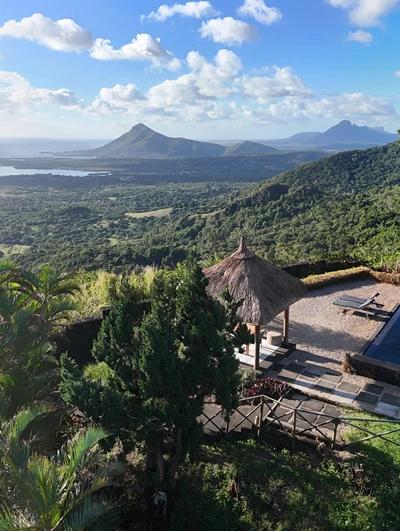
This is the showstopper coast. Le Morne is the island's most iconic wedding backdrop — a UNESCO-listed mountain rising straight out of a turquoise lagoon, with the kind of light that makes photographers weep with joy. The southwest also delivers the island's best sunsets, making it perfect for late-afternoon ceremonies. Tamarin and Flic en Flac add long beaches and a relaxed, golden-hour glow.
Best for: couples who want jaw-dropping scenery and sunset vows.
The North: lively, varied and chapel-pretty
The buzzy north around Grand Baie offers the widest choice of venues, restaurants and after-party energy, ideal if you want options close at hand. Nearby Cap Malheureux is home to the famous red-roofed chapel — the most photographed church on the island — overlooking impossibly blue water, a romantic choice for Catholic ceremonies. Trou aux Biches brings calm, shallow, family-friendly beaches.
Best for: sociable celebrations, church weddings, and couples who want life and nightlife nearby.
The East: calm, elegant and exclusive
The east coast feels serene and refined. Belle Mare offers long, quiet beaches and elegant resorts, while Trou d'Eau Douce is your gateway to Île aux Cerfs, a postcard islet that delivers a true private-island feel for ceremonies and receptions.
Best for: understated luxury and an exclusive, away-from-it-all atmosphere.
The South: wild and full of character
The rugged south trades manicured beaches for dramatic cliffs, crashing surf and heritage. Think wild coastal viewpoints, sweeping nature and beautiful colonial sugar estates around Bel Ombre for couples who want something with grandeur and a sense of place.
Best for: nature lovers and couples drawn to drama and heritage over polish.
Beyond the beach
Don't feel boxed into sand. Some of the most memorable weddings I've planned have been:
At sea, aboard a catamaran, with vows under sail and a lagoon swim afterwards.
On a private islet, for total exclusivity.
In a garden estate or colonial château, surrounded by tropical greenery and history — wonderful for larger guest lists and late-night celebrations.
Up in the mountains around Chamarel, with cool air, misty forest and panoramic views.
At a clifftop lighthouse, or even underwater, for diving couples who want to exchange vows among the coral.
Choosing Your Venue and Wedding Style
Once you've picked a region, the venue type sets the tone, the budget and the logistics. Broadly, you're choosing between three approaches.
Resort and hotel weddings
Mauritius is famous for its hotels, and resort weddings are popular for good reason: convenience. Most resorts offer full wedding packages covering catering, décor, music, coordination and guest accommodation in one tidy bundle. For couples who want a high standard with minimal stress, it's hard to beat — everything is on-site, the team does this every week, and your guests can stumble from the dance floor straight to their rooms.
Consider it if: you want an all-in-one, low-stress experience with guests housed in one place.
Private estates and domains
For a more natural, private and personalised celebration, wedding estates and domains — often set inland amid greenery — give you far more freedom. Away from neighbours, you typically get more flexibility on noise, guest numbers and how late the party runs, plus a blank canvas to make the day truly your own.
Consider it if: you have a larger guest list, want a bespoke design, or plan to celebrate late into the night.
Intimate elopements and vow renewals
Not every wedding needs a crowd. Mauritius is perfect for just-the-two-of-you elopements and for vow renewals — which are especially popular with repeat visitors and honeymooners returning to the island that meant something to them. With a symbolic ceremony, a celebrant, a photographer and a stunning spot, you can have a deeply moving day with almost no admin at all.
Consider it if: you want intimacy, spontaneity and romance over scale.
Working With a Wedding Planner in Mauritius
You can organise a Mauritius wedding yourself. But after years of doing this, here's my honest take: a good local wedding planner in Mauritius is the single best investment most couples make — not because the island is difficult, but because you're planning a major event from thousands of miles away, in a place whose rules, vendors and rhythms you don't yet know.
A great planner earns their fee by:
Navigating the legal paperwork and ceremony logistics so you don't have to decode civil procedure from abroad.
Tapping a trusted vendor network — florists, photographers, celebrants, hair and makeup artists, musicians and caterers they actually rate.
Being your eyes and hands on the ground — visiting venues, confirming details, and solving the inevitable small surprises before you ever hear about them.
Bridging language, time zones and distance, handling the back-and-forth so you can enjoy being engaged.
Managing the day itself, so you and your family are fully present instead of running the show.
When you're choosing a planner, ask:
How many weddings like mine have you planned here, and can I see real examples?
Who handles the legal process, and what exactly is included?
Can you share references from past couples?
What's your pricing structure, and what's not covered?
How do you handle problems on the day?
A clear, confident, specific answer to each is a very good sign. Vagueness is a red flag.
When to Get Married: The Best Time of Year
Mauritius is a year-round destination, but timing affects both the weather and your photos.
The sweet spot: May to November (the cooler, drier "winter"). Expect sunny, comfortable days, lower humidity and calmer conditions — ideal for outdoor ceremonies and happy guests.
November to April (the warmer "summer") brings lush green landscapes and the warmest sea, but also higher humidity and a cyclone risk in the peak months of January to March. Beautiful, but build in flexibility.
Time of day matters as much as the season. I almost always recommend a late-afternoon ceremony — the light is golden and flattering, the heat has eased, and you flow naturally into sunset photos and an evening reception.
A quick rule of thumb: for the most reliable weather and the gentlest temperatures, aim for the dry season and a ceremony two to three hours before sunset.
Designing the Day: Themes, Décor and Details
This is where your wedding becomes yours. Mauritius gives talented local planners and designers a gorgeous canvas, and almost any vision can be brought to life.
Popular directions include:
Tropical barefoot luxury — natural textures, palm and monstera leaves, driftwood, lanterns and a relaxed, sand-between-the-toes elegance.
Minimalist and modern — clean lines, white and green palettes, and understated sophistication that lets the scenery do the talking.
Vibrant island celebration — bold colour, bright florals and a joyful, festive energy.
Cultural and fusion themes — weaving in Hindu, Chinese, Creole or other traditions for a celebration that reflects who you are.
Details that consistently delight guests:
Tropical florals — frangipani, orchids, anthurium and hibiscus, often more affordable and far more in-keeping than imported blooms.
Warm lighting — fairy lights, candles and lanterns that turn a beach or garden magical after dark.
Thoughtful table settings and personalised keepsakes — a small local touch each guest takes home.
A few island signatures — a sega band, a welcome rum cocktail, a conch-shell call as you walk down the aisle. These are the moments people remember.
Food, Drink and Island Flavour
Few destinations can match the culinary diversity here. Mauritian cuisine draws on Creole, Indian, Chinese and European influences, which means your menu can be as adventurous or as classic as you like.
Choose a format to match your vibe:
A seated dinner for a formal, elegant celebration.
A buffet for variety and a relaxed, help-yourself flow.
Cocktail-style with canapés — perfect for beach and sunset receptions where people want to mingle.
Live food stations — a street-food corner or a seafood grill that doubles as entertainment.
Island touches worth considering: a local rum bar (Mauritian rum is excellent and a guaranteed hit), the freshest seafood and tropical fruit, and a wedding cake reimagined with island flavours. Menus can be fully customised for dietary needs and multicultural guest lists. One practical tip from experience: depending on your venue's policy, sourcing your own alcohol can be a meaningful saving — always ask.
The Dress, Beauty and Looking Your Best in the Tropics
A tropical wedding has one design constraint above all: heat and humidity. Plan for it and you'll look — and feel — wonderful.
Bespoke local designers offer beautiful made-to-measure gowns and can advise on what works in the climate. Whether your style is modern, classic or princess-inspired, you can have something created just for you, from fabric choice to final fitting.
Choose breathable fabrics. Lighter materials and a less structured silhouette will keep you comfortable through an outdoor ceremony and a long, warm evening.
Grooms, think linen and lightweight tailoring — elegant and far kinder in the heat than a heavy suit.
Hair and makeup should be humidity-proof. Work with stylists who know the climate, and always do a trial run so there are no surprises.
Mind the timing. A late-afternoon ceremony spares you the harsh midday sun and keeps everyone fresh for the photos.
Capturing It All: Photography and Video
When your backdrop is this spectacular, photography isn't a line item — it's how you'll relive the day forever.
Hire specialists who know the island's light and locations. A photographer who shoots here regularly knows exactly where to be at golden hour.
Make the most of the scenery — drone shots sweeping over Le Morne and the lagoon, barefoot portraits at sunset, and, for diving couples, even underwater frames.
Consider a day-after or "trash the dress" shoot. With the pressure off, you get relaxed, adventurous images in some of the island's most beautiful spots.
Add a photobooth for the reception — it's a simple way to get spontaneous, joyful snaps your guests will love.
Making It a Holiday: Your Guests and Your Honeymoon
This is the part that turns a wedding into an experience — and where Mauritius truly shines.
Look after your guests. They've travelled to celebrate you, so make it unforgettable for them too:
Arrange group excursions — a catamaran cruise, a dolphin trip, a day exploring the south — so the wedding becomes a shared adventure.
Put together welcome bags with local treats, a schedule and a few essentials.
Block-book accommodation near the venue and share clear travel and logistics info early.
Spread the celebration over a few days — a welcome dinner, the wedding, a farewell brunch — so nobody feels rushed.
Then comes the best part. On most destination weddings, the celebration ends and everyone scatters home. Here, when your guests fly out, you simply stay — and your honeymoon begins on the same island, often in the same resort, with zero extra travel. Swap to an overwater suite, book a couples' spa day, sail into a private lagoon, and let the days go soft. It's the most seamless wedding-to-honeymoon transition you'll find anywhere.
A Realistic Budget and Planning Timeline
What it costs
Costs vary enormously with guest count, venue, season and style, so treat any figure as a starting point. As a rough guide: a civil ceremony at a Civil Status Office is free, while full wedding packages typically start from around Rs 200,000 and climb from there for luxury venues, larger guest lists and elaborate design. The biggest levers on your budget are how many people you invite, where you hold it, and how bespoke you want the details.
A sensible planning timeline
12+ months out: Choose your date and season, book your wedding planner, and secure your venue. The best venues and planners get booked early.
6–9 months out: Begin gathering legal documents, confirm your major vendors (photographer, florist, celebrant, hair and makeup), and start the dress.
3 months out: Finalise the design, menu, timeline and guest logistics; confirm accommodation blocks.
~1 month out: Ensure your legal application (for example, the certificate of non-citizen/non-resident) is submitted within the required window. Your planner will keep this on track.
On arrival: Verify your original documents at the relevant office, keep a free working day for any in-person formalities, and then… breathe.
The day: Show up, be present, and let your planner and team carry the rest.
The golden rule: start early. The couples who plan ahead are the ones laughing barefoot in the sand at sunset, completely unbothered, because everything was handled months ago.
Frequently Asked Questions
1. How do you legally get married in Mauritius, and what documents do you need?
You can marry via a civil ceremony (legally binding), a religious ceremony with civil effect (such as a Catholic church wedding), or a symbolic ceremony (not legally binding — popular with couples who do the legal part at home). Two foreign nationals generally apply for a Certificate of Non-Citizen/Non-Resident about a month ahead, submitting passports, birth certificates (usually issued within three months, in English/French), and any divorce or death certificates, with two witnesses at the ceremony. Marrying a Mauritian citizen involves more steps, including a seven-day residency and affidavits. Rules change and depend on nationality, so always confirm with the Civil Status Division (csd.govmu.org) and your embassy — or let a local planner handle it.
2. Where are the best places to get married in Mauritius?
It depends on your style. Le Morne and the southwest offer dramatic mountain-and-lagoon scenery and the best sunsets. The north (Grand Baie, Cap Malheureux) is lively and home to the famous red-roofed chapel. The east (Belle Mare, Île aux Cerfs) is calm, elegant and exclusive. The south brings wild cliffs and heritage estates. Beyond beaches, couples also marry on catamarans, private islets, garden estates, colonial châteaux, in the Chamarel mountains, or even underwater.
3. Do I need a wedding planner in Mauritius?
You don't have to have one, but a local wedding planner in Mauritius is the best investment most couples make. They manage the legal paperwork, connect you with trusted vendors, act as your eyes on the ground, bridge distance and language, and run the day itself — so you can simply enjoy it. If you're planning from abroad, a planner turns a complex project into a relaxed one.
4. When is the best time of year to get married in Mauritius?
The dry, cooler season from May to November is ideal — sunny, comfortable and reliable for outdoor ceremonies. The warmer months (November to April) are lush and beautiful but more humid, with a cyclone risk from January to March. Whatever the season, a late-afternoon ceremony gives you golden light, cooler temperatures and a natural lead into sunset and your reception.
5. How much does a wedding in Mauritius cost?
It ranges widely. A civil ceremony at a government office is free, while full wedding packages generally start around Rs 200,000 and rise with guest numbers, venue, season and how bespoke your design is. A symbolic beach ceremony with a celebrant and photographer can be very affordable; a large luxury-resort celebration is a different budget entirely. The honest answer: decide your guest count and must-haves first, and build the budget around those.
Ready to Say "I Do" in Paradise?
After all of it — the paperwork, the planning, the choosing of beaches and blooms and menus — what you're really creating is a single, perfect day in one of the most beautiful places on earth, surrounded by the people you love.
My advice, distilled from years of doing this: start early, choose the dry season if you can, pick the setting that makes your heart race, and lean on a trusted local planner so you can spend your engagement excited rather than overwhelmed. Decide whether your dream is an intimate barefoot elopement, a grand multicultural celebration, or a quiet vow renewal on a return to the island — and build everything outward from there.
Then, when the day comes, do the one thing that matters most: be fully present. Feel the warm sand, hear the drums, watch the sky turn gold, and let Mauritius do what it does best.
Your island wedding is waiting. All that's left is to begin.