Where is Mauritius and Why it Is So Special
The Indian Ocean Holiday Destination That Gives You More Than Just Beaches
Mark Twain once famously said "Mauritius was made first, and then heaven; and heaven was copied after Mauritius."
There is a moment in Mauritius when you realise the island is not only beautiful.
It is layered.
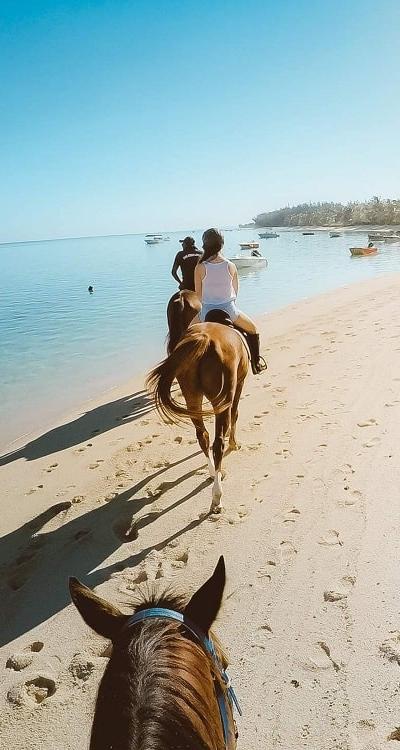
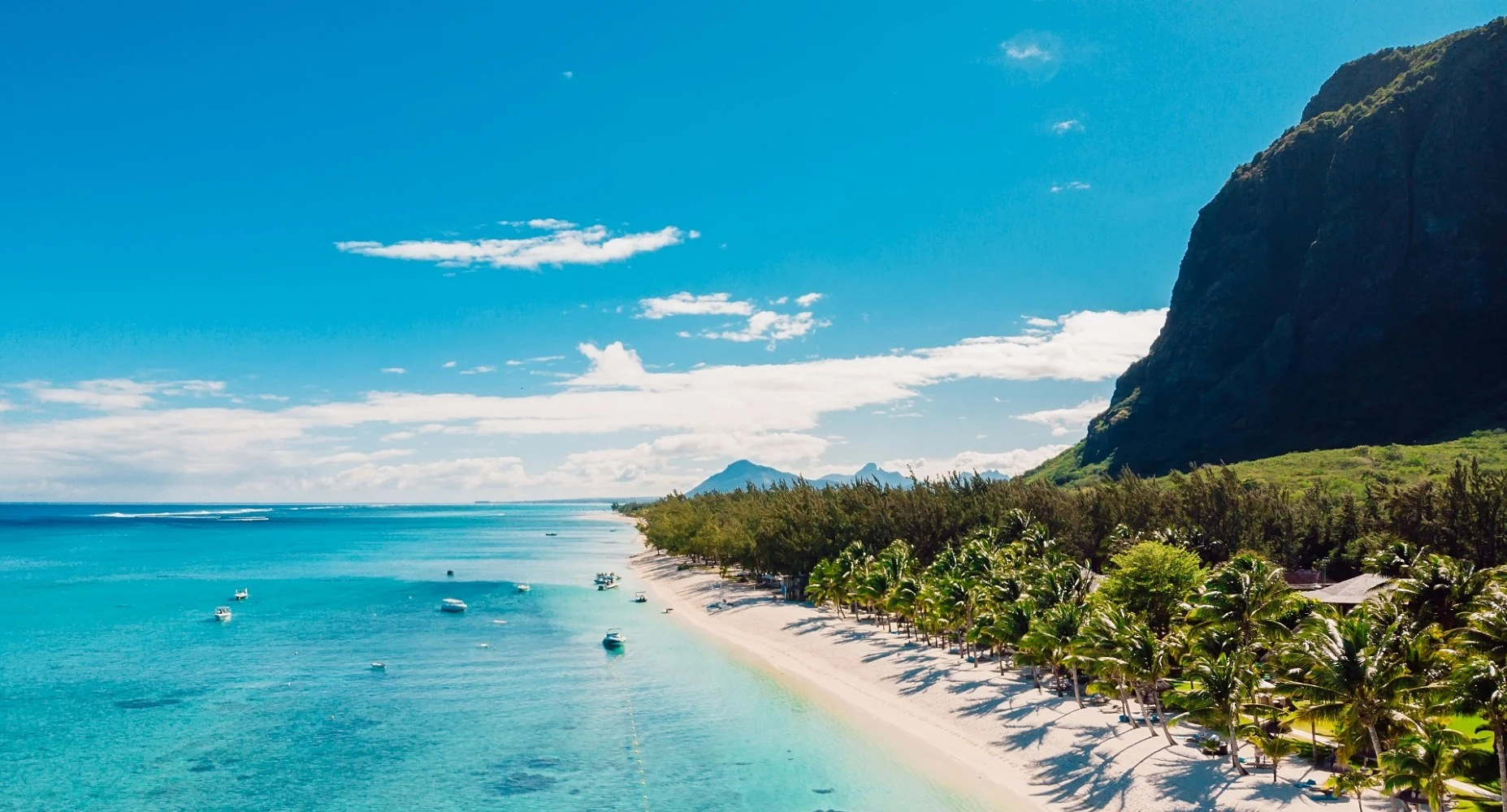
You might arrive expecting turquoise lagoons, white sand beaches and palm trees. And yes, Mauritius gives you all of that. Easily. Beautifully. Sometimes so perfectly that it almost looks unreal.
But then you drive inland.
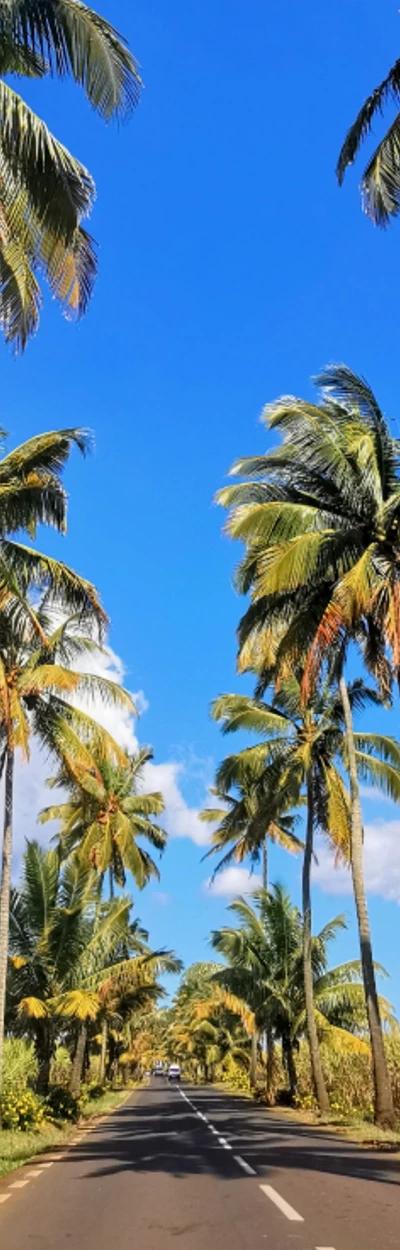
The road leaves the coast and climbs through sugarcane fields. A mountain appears in the distance. You pass a Hindu temple, a small village shop, a roadside fruit seller and a church with the ocean behind it. Later that same day, you might swim in a lagoon, eat a Creole curry, watch the sunset from the west coast and hear three or four languages spoken around you.
That is when Mauritius becomes different from many other island destinations.
It is not only a honeymoon island.
It is not only a beach holiday.
It is not only a luxury escape.
Mauritius is a complete island experience.
It has beaches that can compete with the Maldives, Seychelles and Indonesia. It has luxury resorts, boutique hotels, family stays and budget guesthouses. It has warm weather almost all year round. It has mountains, waterfalls, hikes, markets, catamaran cruises, temples, colonial history, street food, rum distilleries, dolphin encounters and whale watching.
And the best part?
It is easy to travel around.
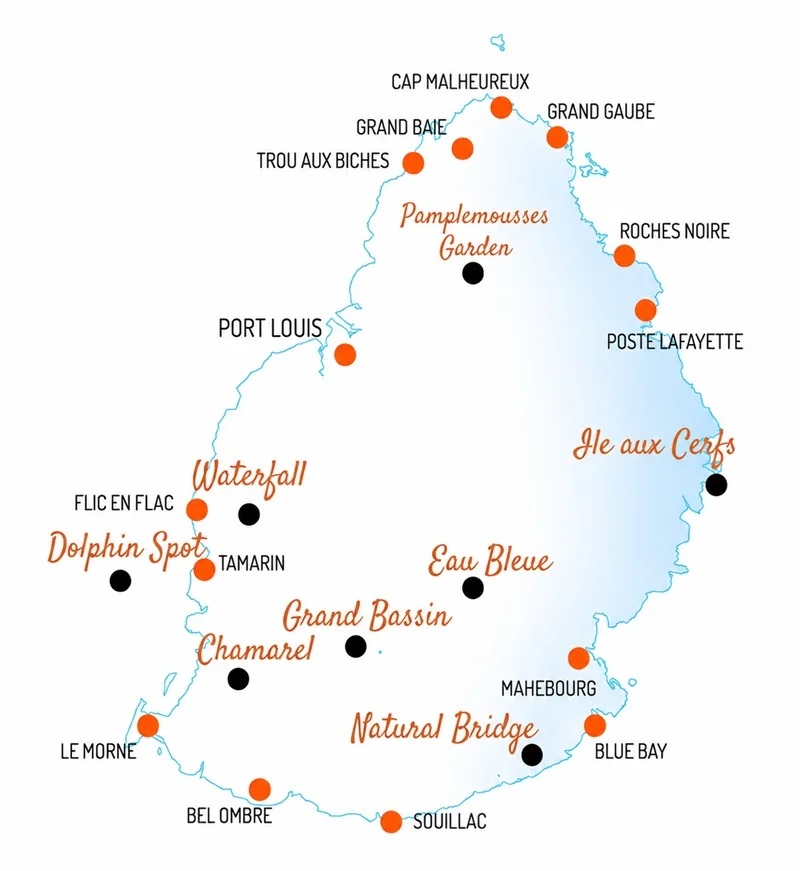
Mauritius is small enough to explore, but rich enough to keep surprising you. That is why so many visitors come once and then return again, often with family, friends or someone they love.
If you are wondering why Mauritius should be your next holiday destination, this guide will show you exactly why the island is so special.
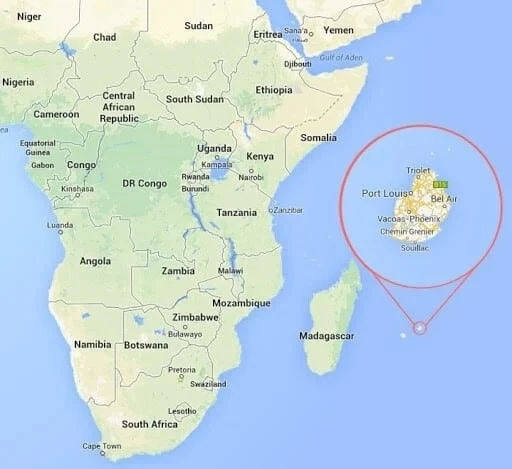
Where Is Mauritius, Exactly?
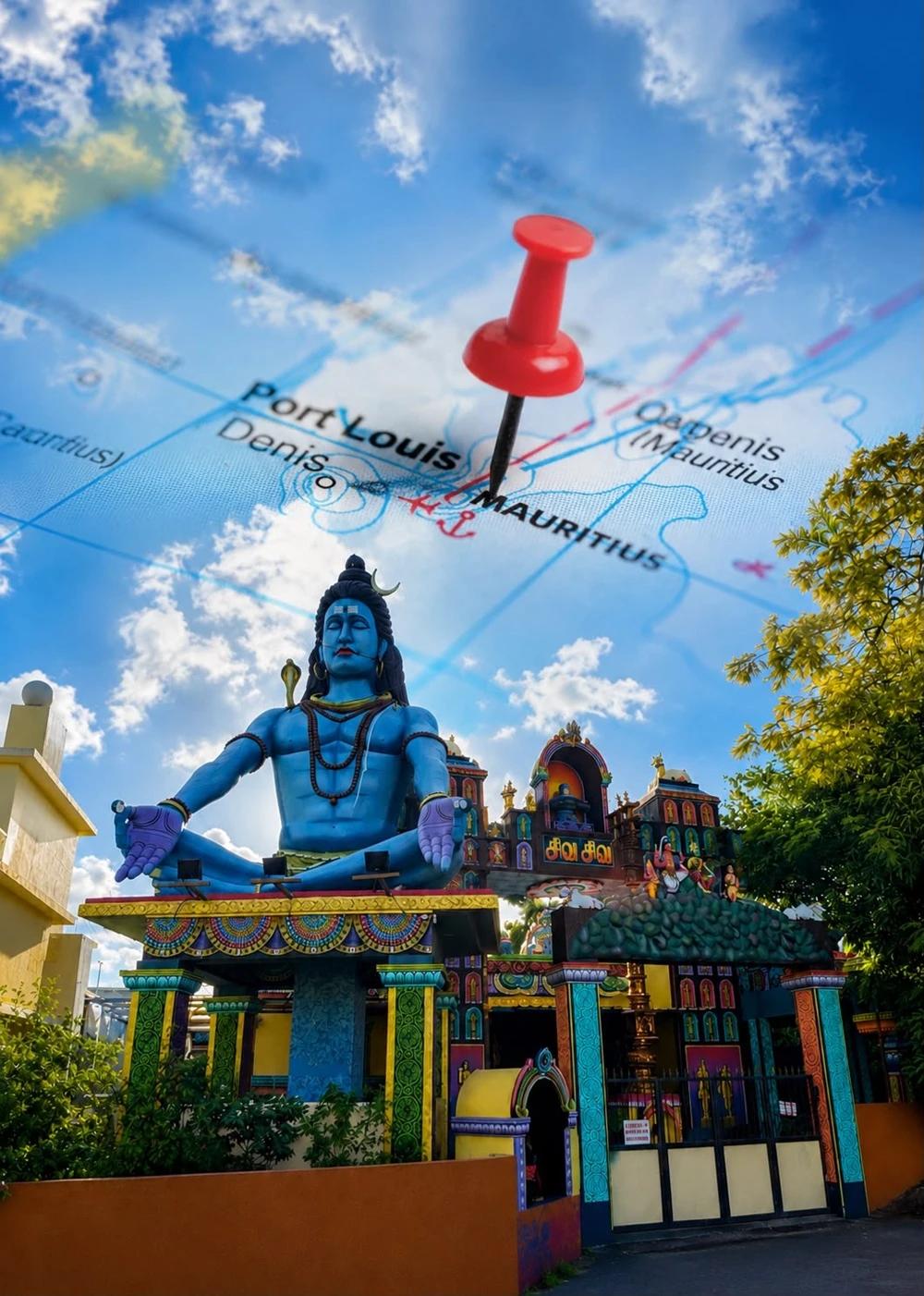
Let's clear this up first, because it trips a lot of people up. Mauritius is a small island nation in the Indian Ocean, sitting roughly 2,000 kilometres off the southeast coast of Africa, east of Madagascar. It's volcanic in origin, which is the secret behind almost everything that makes it special: the dramatic mountains, the lush green interior, the sugarcane plains, and the coral reefs that ring the island and turn the water inside them into warm, calm lagoons.
A few quick facts to orient you:
It's one main island (plus the smaller, even sleepier Rodrigues Island, and a scattering of islets).
It's about four times the size of Seychelles, with a population of roughly 1.3 million.
The capital is Port Louis, on the northwest coast.
It's a genuine cultural melting pot — Indian, African, Chinese, French, and Creole heritage all woven together.
English and French are widely spoken, alongside Mauritian Creole. You will have no trouble being understood. Note that the official language is however English
It's also famously stable, safe, and well-run, with reliable infrastructure, good healthcare, and one of the lowest crime rates in the region. That matters more than it sounds when you're travelling with kids or planning a longer stay. Not many tropical islands can offer "paradise" and "everything works."
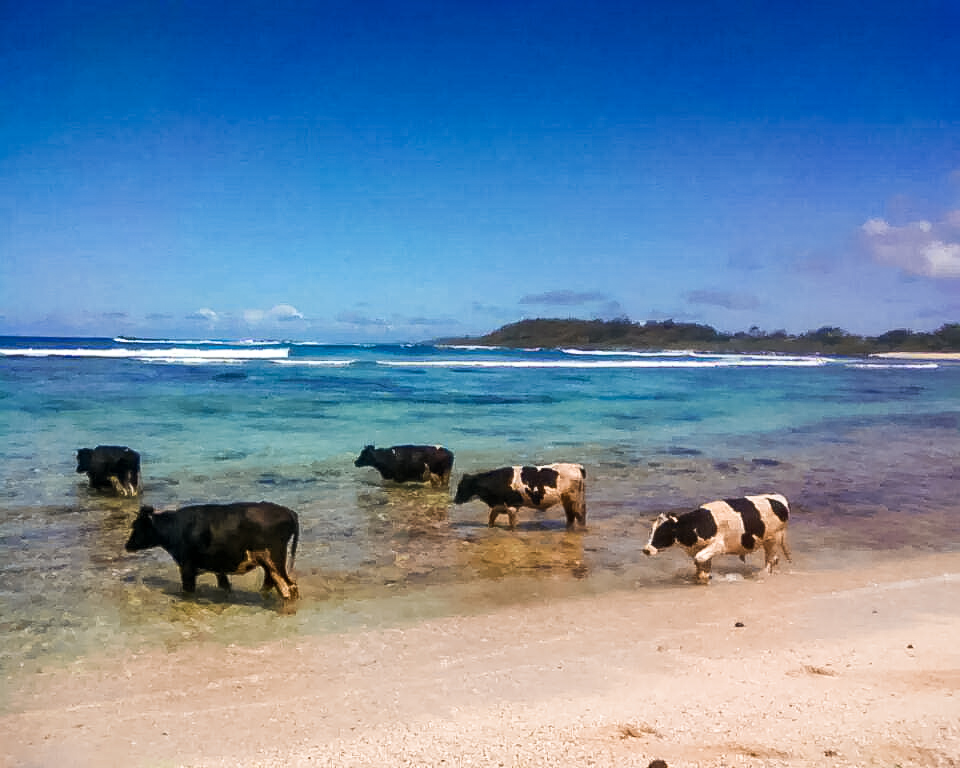
It is often grouped with other dream island destinations such as the Maldives, Seychelles and Réunion, but Mauritius has its own identity.
For travellers asking “where is Mauritius?”, the answer is simple: it is in the Indian Ocean, but it feels like a meeting point between Africa, Europe, India, China and island Creole culture.
Mauritius Has Amazing Weather Almost All Year Round
One of the biggest reasons Mauritius is such a strong holiday destination is the climate.
Mauritius has a tropical island climate with two main seasons: summer and winter. Summer is warmer and more humid, while winter is cooler, drier and still very pleasant. Even in winter, the island remains warm enough for beaches, swimming and outdoor activities.
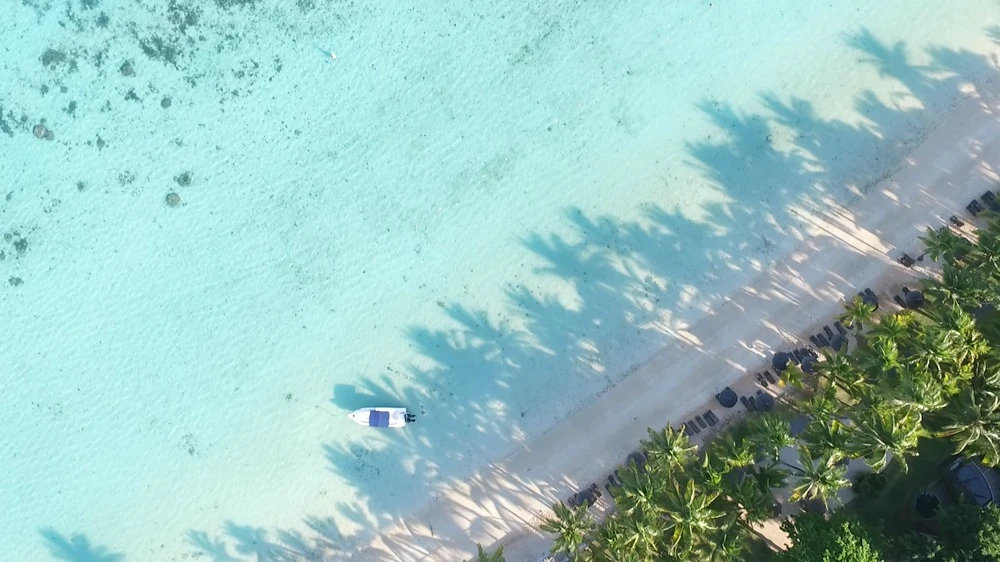
This makes Mauritius a strong choice for:
Winter sun holidays
Honeymoons
Family school holidays
Beach breaks
Hiking trips
Long-stay escapes
Repeat travellers who want to visit in different seasons
Summer in Mauritius
Mauritian summer usually runs from November to April. This is the warmer season, with tropical heat, lush green scenery and very warm lagoon water.
Average summer temperatures in Mauritius are usually around 25°C to 30°C, with hotter coastal days often reaching 30°C to 33°C, especially from December to March. The sea is also very warm, often around 27°C to 29°C, making summer excellent for swimming, snorkelling and water activities.
Summer is ideal if you want:
Hot beach days
Warm evenings
Lush landscapes
Water activities
Tropical holiday atmosphere
Christmas and New Year escapes
January to March can bring heavier rain, high humidity and occasional cyclone alerts, so travellers should keep plans flexible. But summer also brings dramatic skies, warm seas, greener mountain scenery and a very tropical feel.
Winter in Mauritius
Mauritian winter usually runs from May to October. This season is cooler and often drier, especially on the north and west coasts.
Across Mauritius, average winter temperatures are usually around 20°C to 25°C, depending on the region and altitude. On the west coast, including places like Flic en Flac, Tamarin, Black River and Le Morne, daytime temperatures in winter are often around 24°C to 27°C, with cooler evenings around 17°C to 20°C.
The lagoon remains pleasant for swimming, with sea temperatures usually around 22°C to 25°C during winter. The west coast is also generally more sheltered from the south-east trade winds, which is why it is one of the best areas to stay during the cooler months.
Winter is excellent for:
Hiking
Road trips
Sightseeing
Families with young children
Travellers who prefer less humidity
Outdoor activities
Exploring towns, villages and nature reserves
The east and south-east can be breezier in winter, while the north and west are often more sheltered. That is why places like Grand Baie, Trou aux Biches, Flic en Flac, Tamarin and Le Morne are popular during the cooler months.
Best Months to Visit Mauritius
So when should you go?
For classic beach-and-sun weather: May to November (the dry season).
For the warmest ocean and lush landscapes: November to April, accepting the odd downpour.
For whale watching: the cooler months, with humpbacks visiting from around June/July to October. (More on this magic later.)
For the best deals and thinner crowds: the shoulder months on either side of peak European holiday periods.
The bottom line: there is no genuinely bad time to visit Mauritius. There's only the version of the island that best suits the holiday you want but some months are especially comfortable.
Good all-round months include:
April
May
June
September
October
November
Early December
These months often give you a good balance of sunshine, comfortable temperatures, warm water and easier exploring.
World-Class Beaches — And Yes, We're Going to Talk About the Maldives and Seychelles
Mauritius is famous for beaches, and for good reason.
Here's where the island earns its reputation. The beaches are, frankly, ridiculous — soft sand, water in a dozen shades of turquoise, coral reefs that flatten the waves into calm, swimmable lagoons. Several have been ranked among the best in Africa and the world, over and over again.
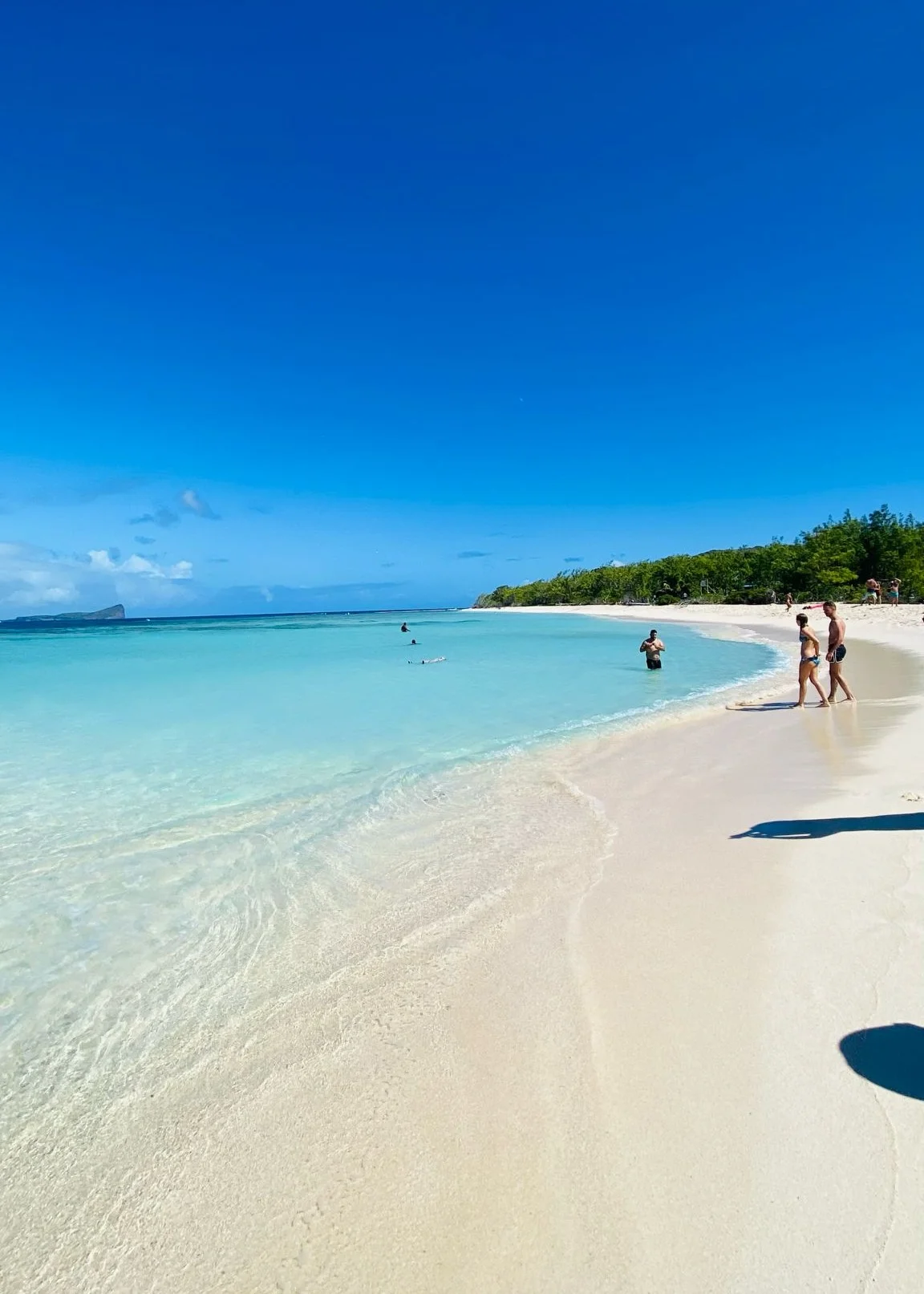
The Beaches Worth Building a Trip Around
A few standouts, each with a different personality:
Trou aux Biches (north) — The island's perennial favourite, repeatedly crowned one of the best beaches in Africa. Calm, shallow, and shaded in places, it's postcard-perfect and brilliant for families and gentle swimmers.
Le Morne (southwest) — Possibly the most dramatic beach in the country, sitting in the shadow of the UNESCO-listed Le Morne Brabant mountain. It's also one of the best kitesurfing spots on the planet.
Flic en Flac (west) — A long, lively stretch famous for spectacular sunsets, easy snorkelling, and plenty of restaurants and bars within strolling distance.
Belle Mare (east) — One of the longest, quietest beaches on the island. Wide, peaceful, and lined with casuarina trees and elegant resorts.
Blue Bay (southeast) — A marine park with some of the most vivid turquoise water on the island and superb snorkelling over protected coral gardens.
Pereybere, Grand Baie, and Mont Choisy (north) — Classic, accessible, social beaches, ideal if you want life, food, and a bit of nightlife close at hand.
Pointe d’Esny — crystal-clear lagoon and soft sand in the south-east.
Île aux Cerfs — one of the most famous island beach trips in Mauritius
And here's a detail that genuinely sets Mauritius apart: every beach is public. Even the ones fronting the most exclusive five-star resorts. You don't have to book a sky-high villa to walk on the best sand on the island. That openness is rare, and it quietly changes the whole feel of a holiday here.
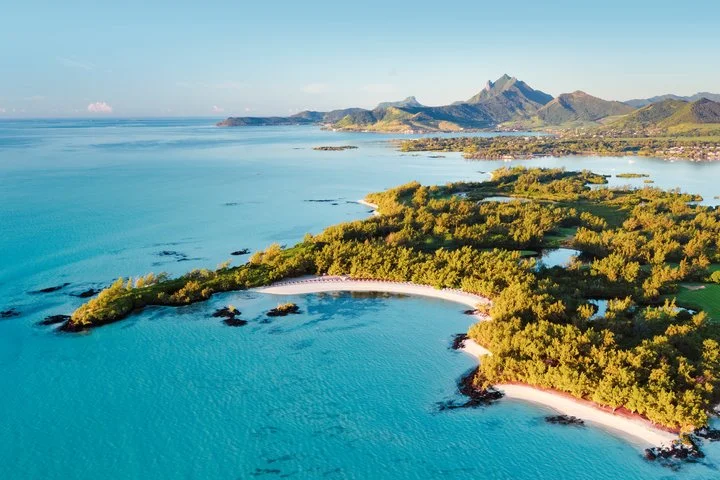
Mauritius vs Maldives vs Seychelles vs Bali: An Honest Comparison
This is the question on everyone's mind, so let's answer it properly — without the usual hype.
The truth is that "better" depends entirely on the holiday you want, and a savvy traveller deserves the real picture rather than a sales pitch.
The Maldives wins on pure, postcard sand and snorkelling. The water clarity is unreal, the house reefs are world-class, and an overwater villa is a bucket-list experience in itself. But there's a catch: you're usually on a single private island, often staying put, and there's far less to actually do beyond the water. It's blissful, and it can be repetitive. It's also generally the most expensive of the lot once you factor in seaplane transfers.
Seychelles wins on drama. Those granite boulders framing beaches like Anse Source d'Argent are some of the most beautiful coastlines on Earth — almost too perfect to look real. But Seychelles is pricey, its accommodation skews high-end with very little genuine budget option, and some of its most famous beaches aren't actually great for swimming.
Bali (Indonesia) wins on energy, culture, and rock-bottom prices. It's vibrant and endlessly interesting — but it's also crowded in the popular areas, the traffic can be brutal, and the beaches, honestly, aren't a patch on the Indian Ocean trio.
Mauritius wins on the thing that matters most for a great holiday: range. It has gorgeous beaches and mountains and rich culture and a genuinely long list of things to do — plus accommodation for every budget, from backpacker guesthouses to ultra-luxury icons. As one well-travelled comparison put it bluntly, you get more for less in Mauritius. You can lie on the sand one day and hike a national park the next, eat extraordinary food for pocket change, and feel completely safe doing all of it.
Put simply:
Want the most flawless sand and an overwater villa? Maldives.
Want the most dramatic, untouched-looking beaches? Seychelles.
Want maximum culture and budget energy? Bali.
Want the best all-round holiday — beaches, adventure, culture, value, and ease, all in one place? Mauritius, every time.
For repeat travellers who've seen the "lie on a beach" islands and want something with more layers to it, Mauritius isn't a compromise. It's the upgrade.
Mauritius Has Beaches That Truly Deserve the Hype
Hotels for Every Kind of Traveller — and Every Budget
The resorts here are world-class. This is one of Mauritius's quiet superpowers. The Maldives and Seychelles are largely a choice between luxury and more luxury. Mauritius, thanks to its size and developed tourism scene, has somewhere brilliant to stay no matter what you want to spend.
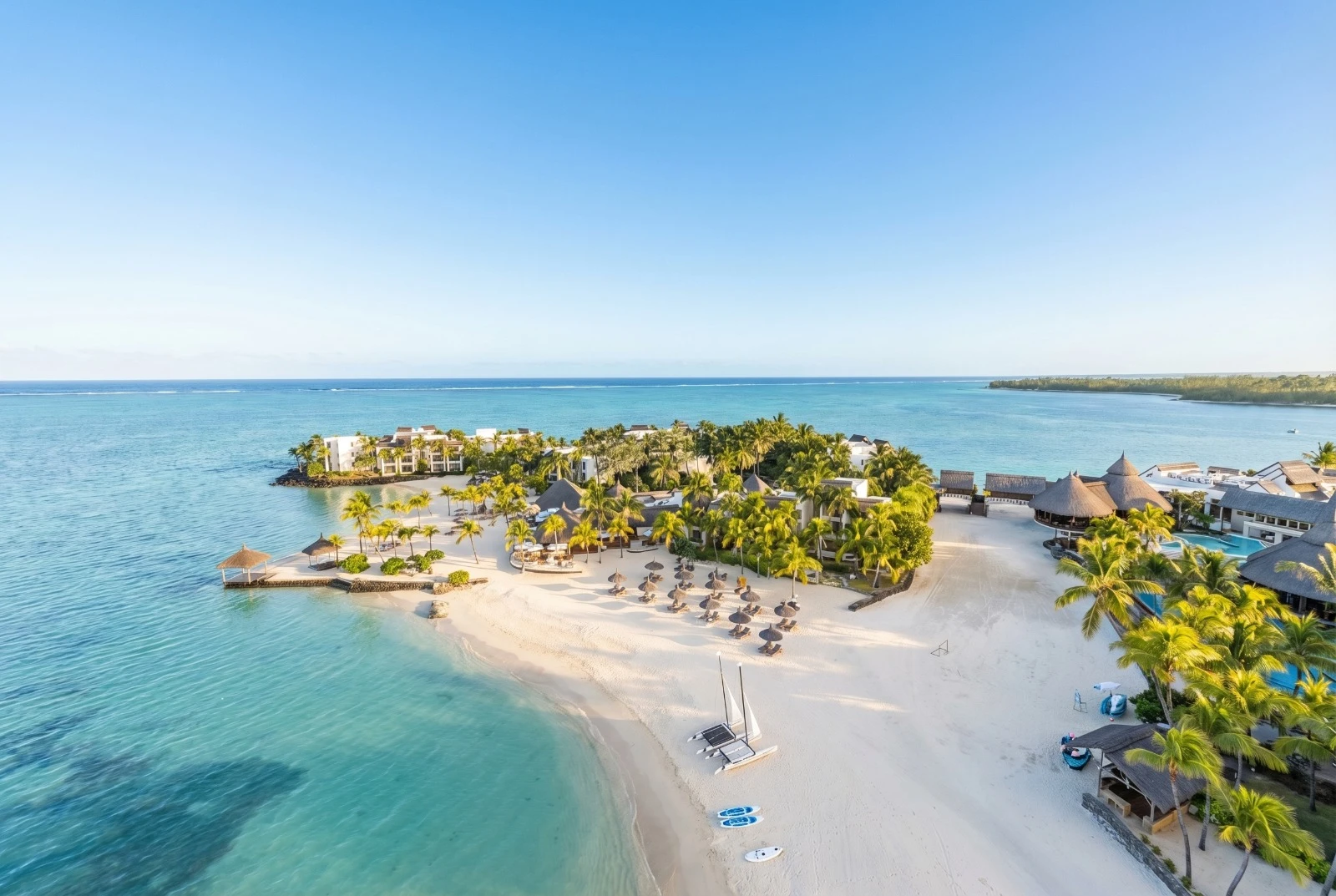
Barefoot Luxury and Honeymoon Icons
If you're celebrating something — a honeymoon, an anniversary, simply surviving the year — Mauritius does world-class luxury with a authentic feel than its neighbours. Names worth knowing include:
Four Seasons Resort at Anahita and Shangri-La Le Touessrok for serious east-coast glamour for iconic east-coast luxury, beautiful beaches, refined service and access to one of Mauritius’ most memorable lagoon settings.
One&Only Le Saint Géran and The Oberoi Beach Resort for polished, romantic indulgence.
Constance Belle Mare Plage and Constance Prince Maurice for refined, golf-and-spa elegance.
The LUX* collection (Le Morne, Belle Mare, Grand Baie) for stylish, design-forward stays.
The home-grown Beachcomber resorts (Royal Palm, Dinarobin, Paradis, Trou aux Biches) for that classic, generous Mauritian hospitality.
SALT of Palmar for boutique design lovers who want character over chandeliers.
Sunlife resorts — Sugar Beach, La Pirogue, Long Beach and Ambre — for polished Mauritian resort living, from west-coast sunsets and family-friendly beach holidays to stylish east-coast escapes.
Smart Mid-Range Comfort
You absolutely don't need to remortgage anything to stay somewhere lovely. The mid-range tier here is strong and good value — think well-run beachfront and near-beach properties with pools, restaurants, and easy access to the best beaches, often at a fraction of what an equivalent stay would cost in the Maldives. Collections like Veranda, Attitude, and Tamassa are reliable starting points, and there's a deep bench of independent four-star hotels across the north and west coasts.
Veranda Resorts — Veranda Paul & Virginie, Veranda Pointe aux Biches, Veranda Palmar Beach, Veranda Tamarin and Veranda Grand Baie — for relaxed, authentic Mauritian stays with strong local character, good value and a more casual island atmosphere.
Lakaz Chamarel for a peaceful boutique mountain retreat, perfect for travellers who want nature, privacy, Creole charm and a completely different side of Mauritius away from the beach resorts.
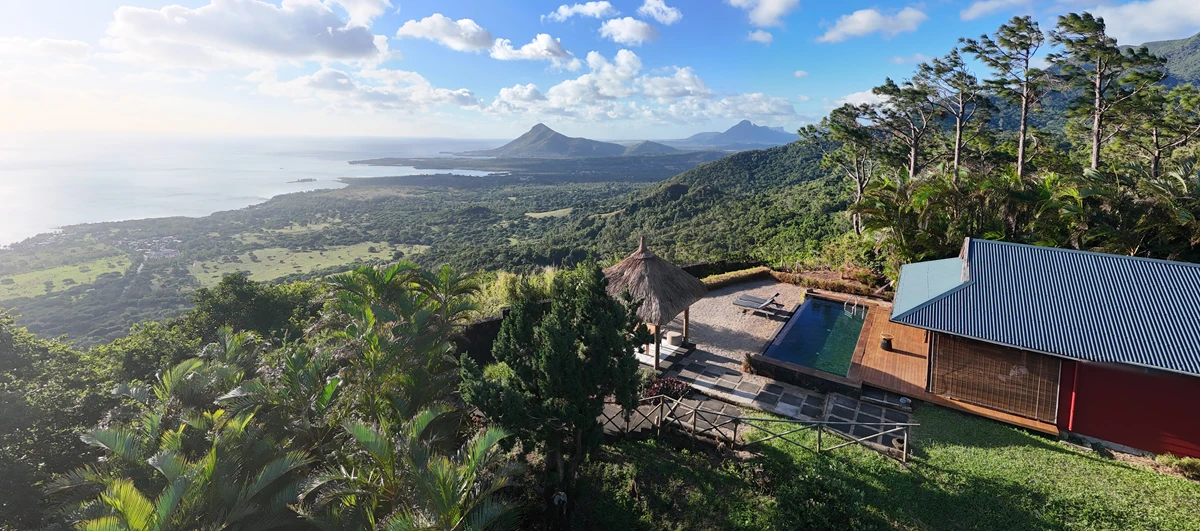
Genuine Budget Stays (The Thing the Maldives and Seychelles Don't Have)
Here's the kicker. Mauritius is the rare Indian Ocean island where you can actually do a budget tropical holiday. Self-catering apartments, guesthouses, B&Bs, and homestays are plentiful, especially around Flic en Flac, Pereybere, Grand Baie, Trou aux Biches, and the charming southeastern town of Mahébourg. You can cook your own meals, shop the local markets, hop on cheap buses, and stretch a trip a long way.
That single fact — that a family or a couple on a normal budget can have a brilliant Mauritius holiday — is exactly why it deserves a spot on your list that the pricier islands simply can't claim.
(A small honest note: specific resorts open, close, rebrand, and rise or dip in quality over time. Always check recent reviews and confirm current details before you book.)
So Much More Than a Beach: Things to Do in Mauritius
Mauritius becomes more special when you step outside the hotel.
You can wake up in a luxury beachfront resort, then spend the day visiting temples, waterfalls, markets, mountain viewpoints and small fishing villages. You can take a catamaran cruise one day and hike through native forest the next. You can eat in a five-star restaurant in the evening and enjoy dholl puri from a street stall the next morning.
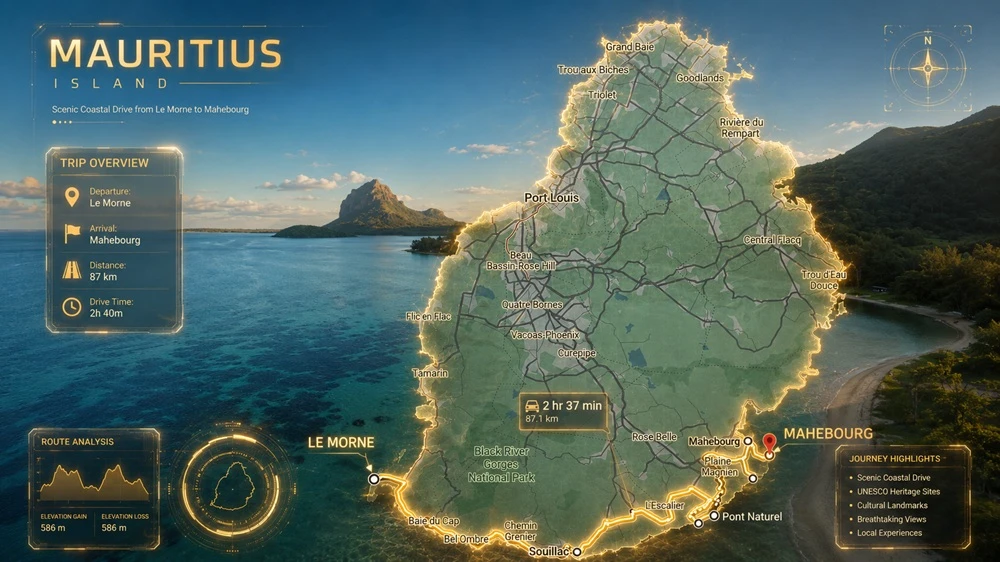
That mix is rare.
Mauritius is polished enough for luxury travellers, but authentic enough for people who want real discovery.
If you only remember one thing from this guide, make it this: Mauritius is the island that cures beach boredom. You could fill two weeks and still leave with a list. Here's a taste.
On and Under the Water
The lagoons aren't just for lounging.
Snorkelling and diving at spots like Blue Bay Marine Park, with healthy coral and easy entry for beginners.
Kitesurfing at Le Morne, one of the genuinely world-famous spots for the sport, with reliable wind and a jaw-dropping mountain backdrop.
Catamaran cruises along the coast, usually with a BBQ lunch, snorkel stops, and a swim off the boat.
Île aux Cerfs — a near-cartoonishly perfect island off the east coast with white-sand beaches, a golf course, ziplining, and waterfalls nearby.
Underwater walks and sub-scooters for non-swimmers and kids who want to see the reef without diving.
The Unforgettable One: Swimming With Wild Dolphins and Watching Whales
Mauritius offers marine experiences that feel truly special. This is the experience that turns a nice holiday into a story you'll tell for years — and it's worth understanding properly so you do it right.
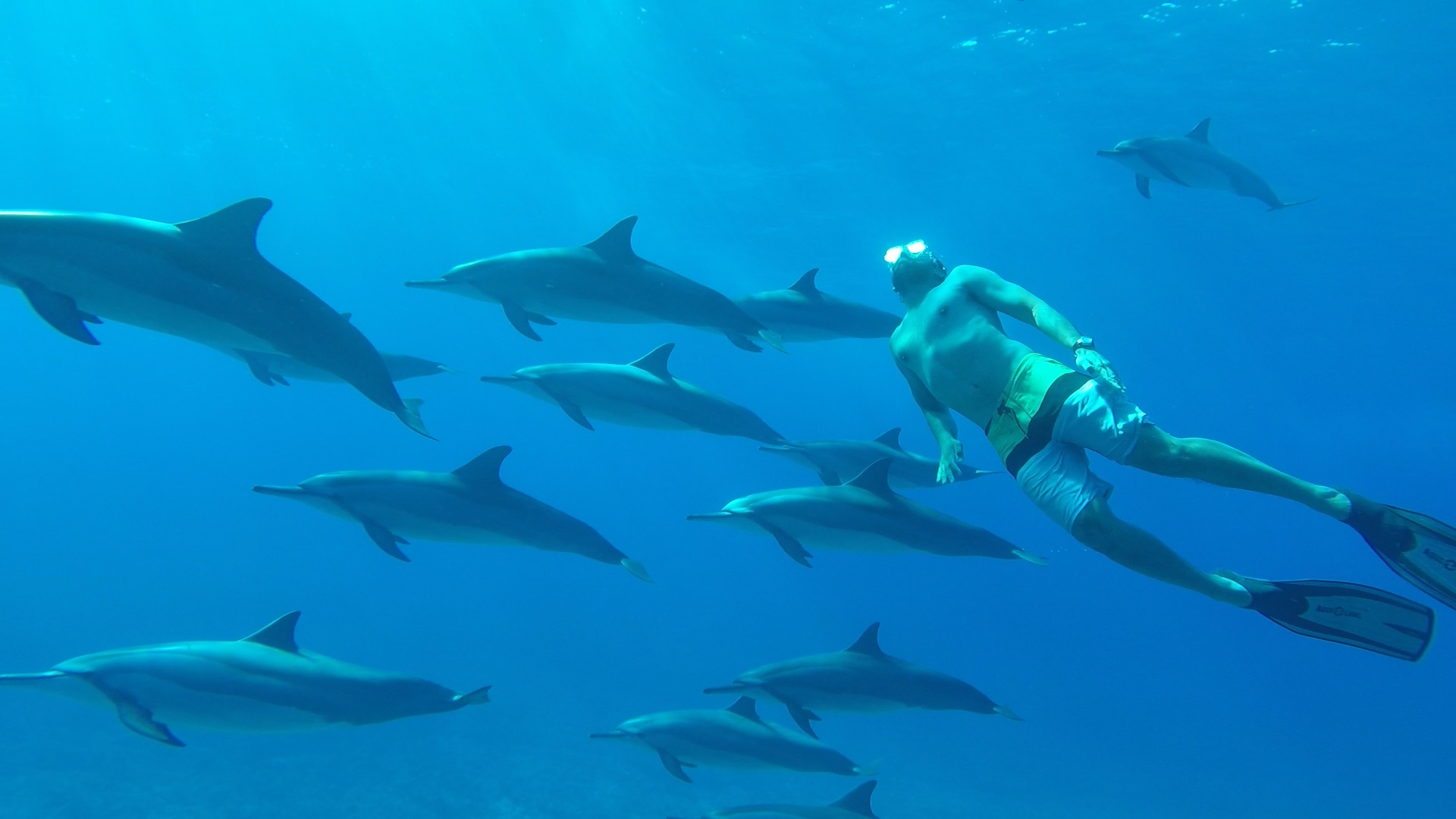
Off the west coast, around Tamarin, Black River, Le Morne, and Flic en Flac, the deep water drops away close to shore, and that's what brings the marine giants in.
Swimming with wild dolphins: Resident pods of spinner and bottlenose dolphins gather in the calm western bays, and early-morning tours let you slip into the water near them in their natural habitat. This is genuinely magical — and genuinely wild, so encounters are never guaranteed and the dolphins are always in charge. Dolphin Swim
Sperm whales — all year round: Remarkably, female sperm whales and their young live in these waters year-round. Mauritius is one of the few places on Earth where you have a realistic chance of seeing them in any given month. Whale Watching
Humpback whale migration — roughly June/July to September: During the cooler months, humpbacks migrate up from the Southern Ocean into Mauritius's warm waters to breed and calve, often breaching and tail-slapping right in front of delighted boats. The peak is usually August and September. Whale Watching
One crucial, honest point: in Mauritius, you can swim with dolphins, but you cannot legally swim with whales. Under the island's marine regulations, swimming, diving, or snorkelling with whales is prohibited, and boats must keep a respectful distance. Whales are watched and admired from the boat — and trust me, seeing a humpback breach beside you is more than enough.
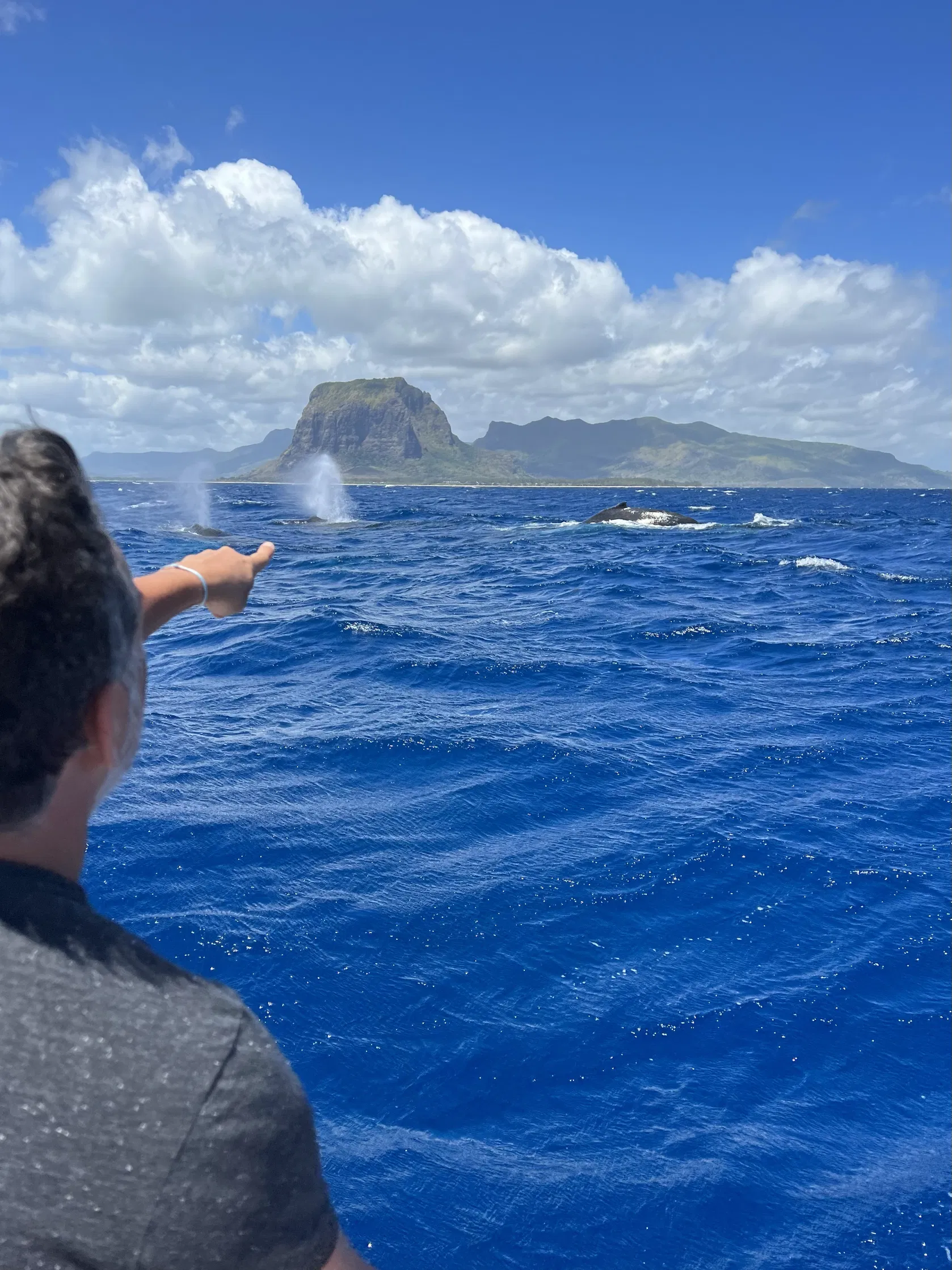
A word from experience: this activity has exploded in popularity, and not every operator behaves well. Please choose a small-group, licensed, ethical operator who keeps a respectful distance and doesn't chase the animals. The good ones make the experience better and protect the very thing you came to see.
Again, responsible whale watching matters. The best operators put animal welfare first.
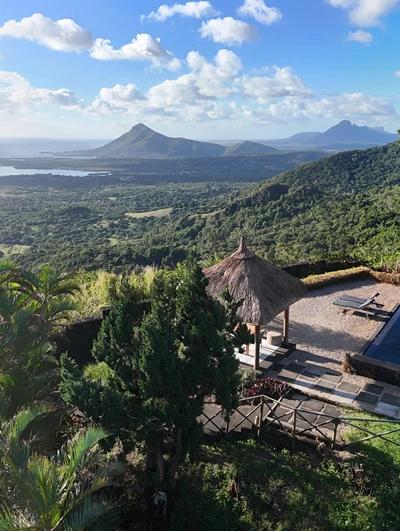
Mountains and Hikes for Every Fitness Level Give Mauritius a Dramatic Side
Many visitors are surprised by how mountainous Mauritius is.
This is the part the brochures forget. Mauritius has a rugged, green, mountainous interior that most beach tourists never explore — and it's spectacular. A few favourites:
Le Morne Brabant (southwest) — The iconic UNESCO-listed peak. The guided hike up rewards you with panoramic ocean views, and the mountain carries a deeply moving history (see below). Moderate, with a steeper, optional final scramble. Sunrise Guided Hike or Le Morne Guided Adventure
Black River Gorges National Park — The island's largest national park, full of forest trails, dramatic gorge viewpoints, waterfalls, and endemic wildlife, including the once-nearly-extinct pink pigeon. Trails range from easy strolls to half-day treks. Black River Gorges Guided Hike
Le Pouce — One of the island's higher peaks but surprisingly accessible, with a fantastic payoff: sweeping views over Port Louis and the coast. Great for a first proper hike. Le Pouce Guided Hike
Tamarin Falls (Seven Cascades) — A series of waterfalls in the lush interior, best with a guide. Adventurous and rewarding. Seven Waterfalls Guided Hike
Pieter Both — Mauritius's distinctive, boulder-topped second-highest mountain. This one is technical and for experienced climbers only — admire it from below unless you really know what you're doing. Pieter Both Guided Hike
Piton Canot — scenic hike near Chamarel with beautiful south-west views.
Lion Mountain — a rewarding hike near the south-east coast.
The contrast is the whole point. Where else can you summit a mountain in the morning and be snorkelling a coral reef by afternoon?
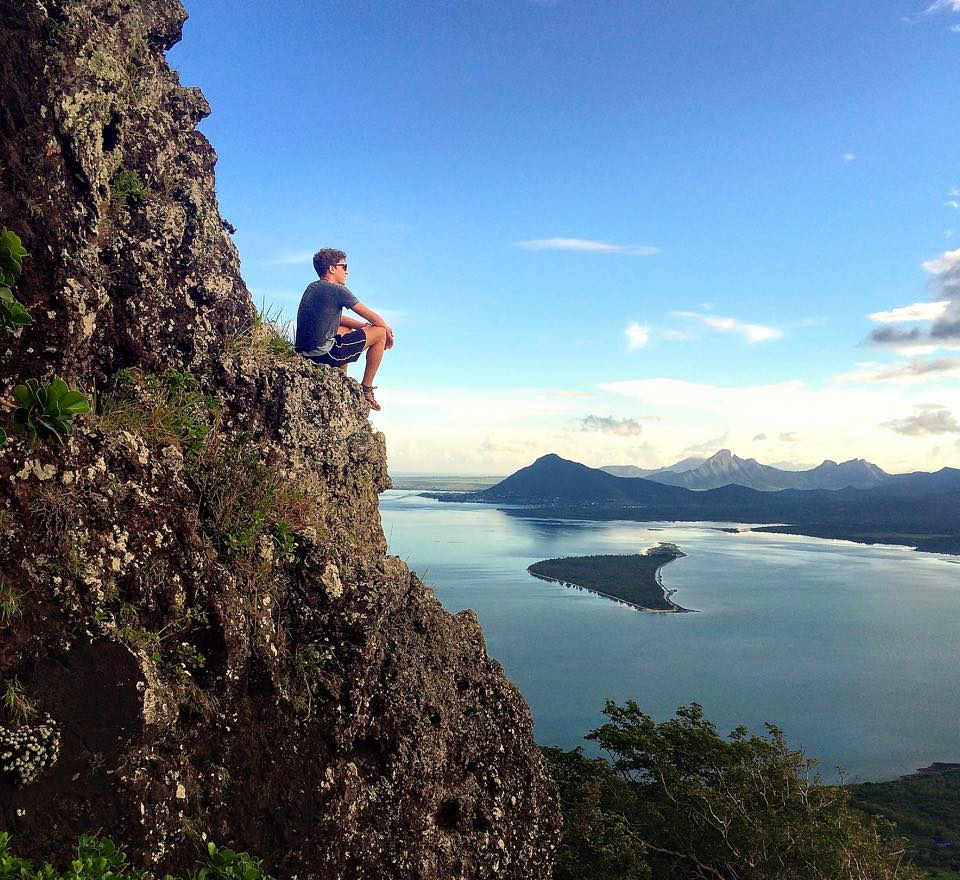
The hikes are not just about fitness. They reveal another side of the island.
Best Mountains and Hikes in Mauritius Link
Land Adventures and Family Wins
Travelling with kids, or just young at heart?
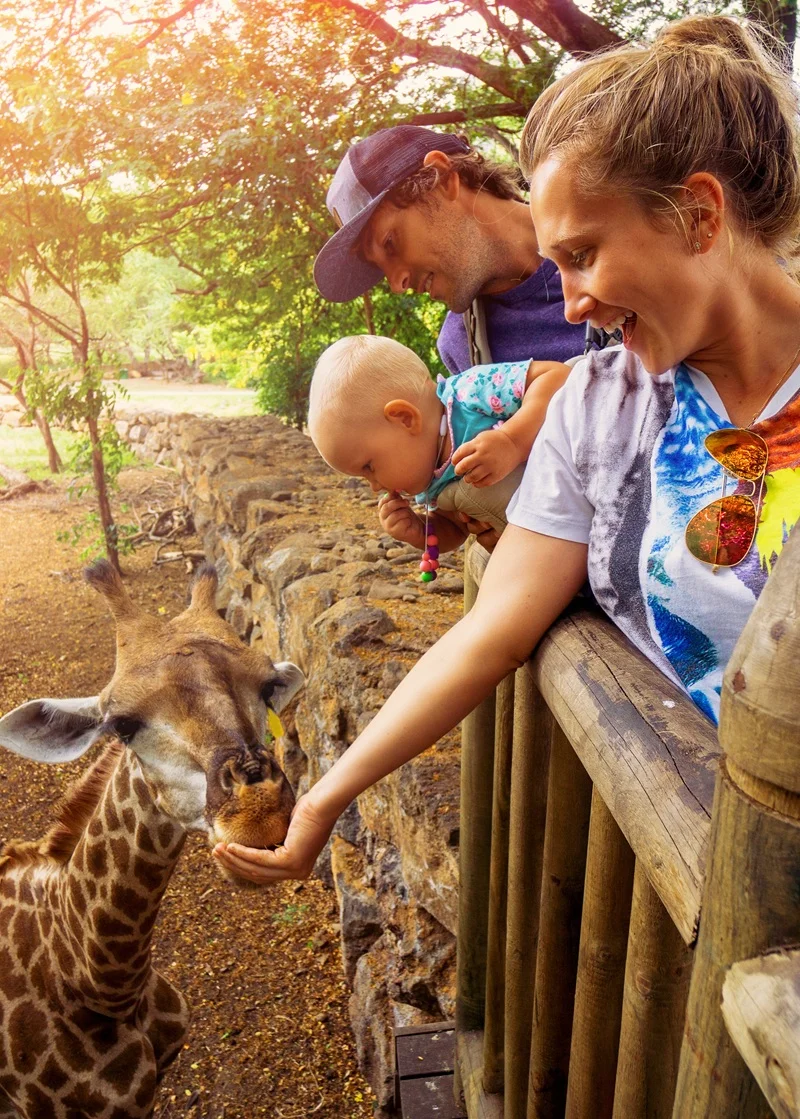
Casela Nature Parks for safaris, zip-lines, and animal encounters.
Chamarel Village - Visit and feel the authentic Mauritius vibe
Chamarel's Seven Coloured Earth — surreal sand dunes in seven natural colours, alongside a beautiful waterfall, the Chamarel rum distillery, and some of the island's best views.
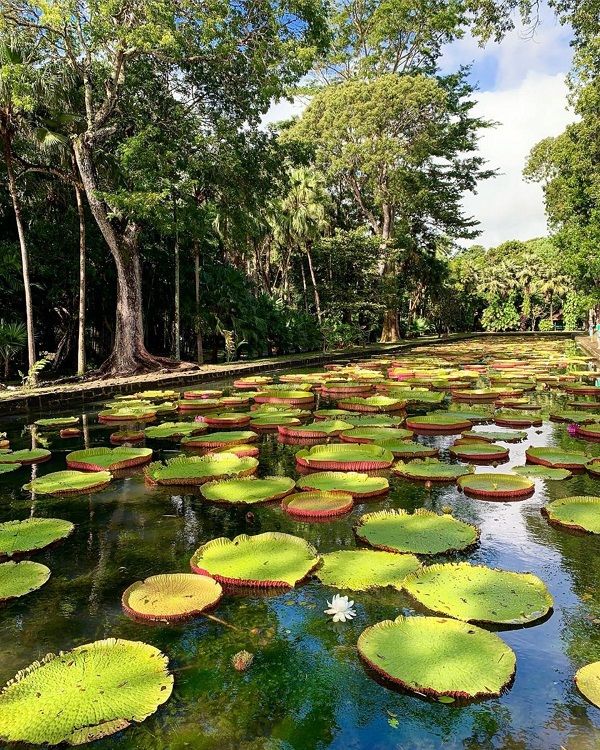
Sir Seewoosagur Ramgoolam Botanical Garden at Pamplemousses — famous for its giant Amazon water lilies.
The tea and rum routes — visit a working tea plantation like Bois Chéri, then a rum distillery, and taste your way through the island's agricultural heart.
Quad biking, ziplining, and canyoning in the interior for the adrenaline crowd.
The list genuinely goes on. You will not be bored.
A Culture You Can Taste, Hear, and Feel That Make Mauritius More than Beautiful
Here's the soul of the place, and the thing that makes Mauritius linger in your memory long after the tan fades.
Mauritius is special because of its people and history.
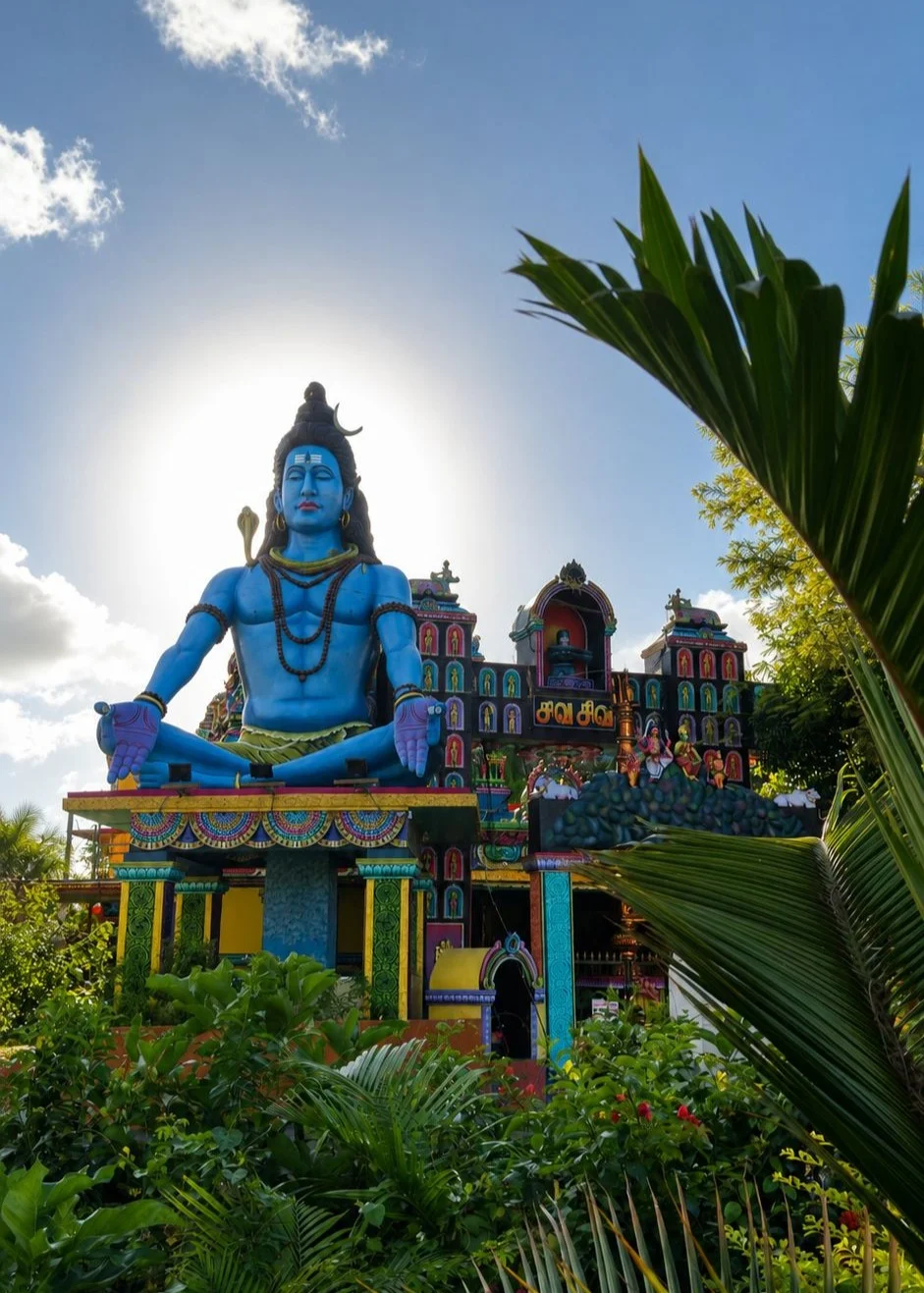
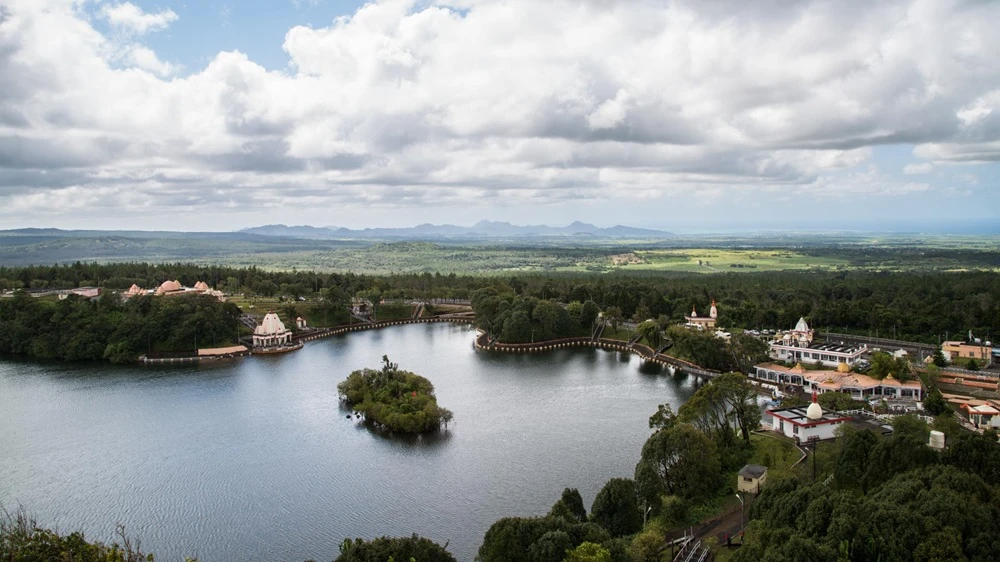
Mauritius is one of the world's great cultural mosaics. Over the centuries, Indian, African, Chinese, French, and Creole communities have shaped a society that lives side by side with remarkable warmth. In a single short drive you'll pass a Hindu temple, a mosque, a Catholic church, and a Buddhist pagoda — and the calendar is studded with festivals from every tradition: Diwali lighting up homes across the island, the colours of Holi, Cavadee, Chinese New Year, Eid, and the great Maha Shivaratri pilgrimage to the sacred crater lake of Grand Bassin (Ganga Talao).
You'll hear the island's heritage, too, in Sega — the rhythmic, soulful music and dance born from the island's African and Creole roots, often performed on the beach as the sun goes down.
The history runs deep and, at times, sombre and important. Two UNESCO World Heritage Sites tell the story:
Le Morne Brabant, the mountain that sheltered escaped slaves, who used its near-inaccessible slopes as a refuge — a powerful symbol of the struggle against slavery.
Aapravasi Ghat in Port Louis, the site where indentured labourers from India first arrived, marking a pivotal chapter in global migration history.
Then there's the dodo — the famous flightless bird that once lived only here and is now the island's wistful national symbol, a reminder of how unique and fragile this little world is.
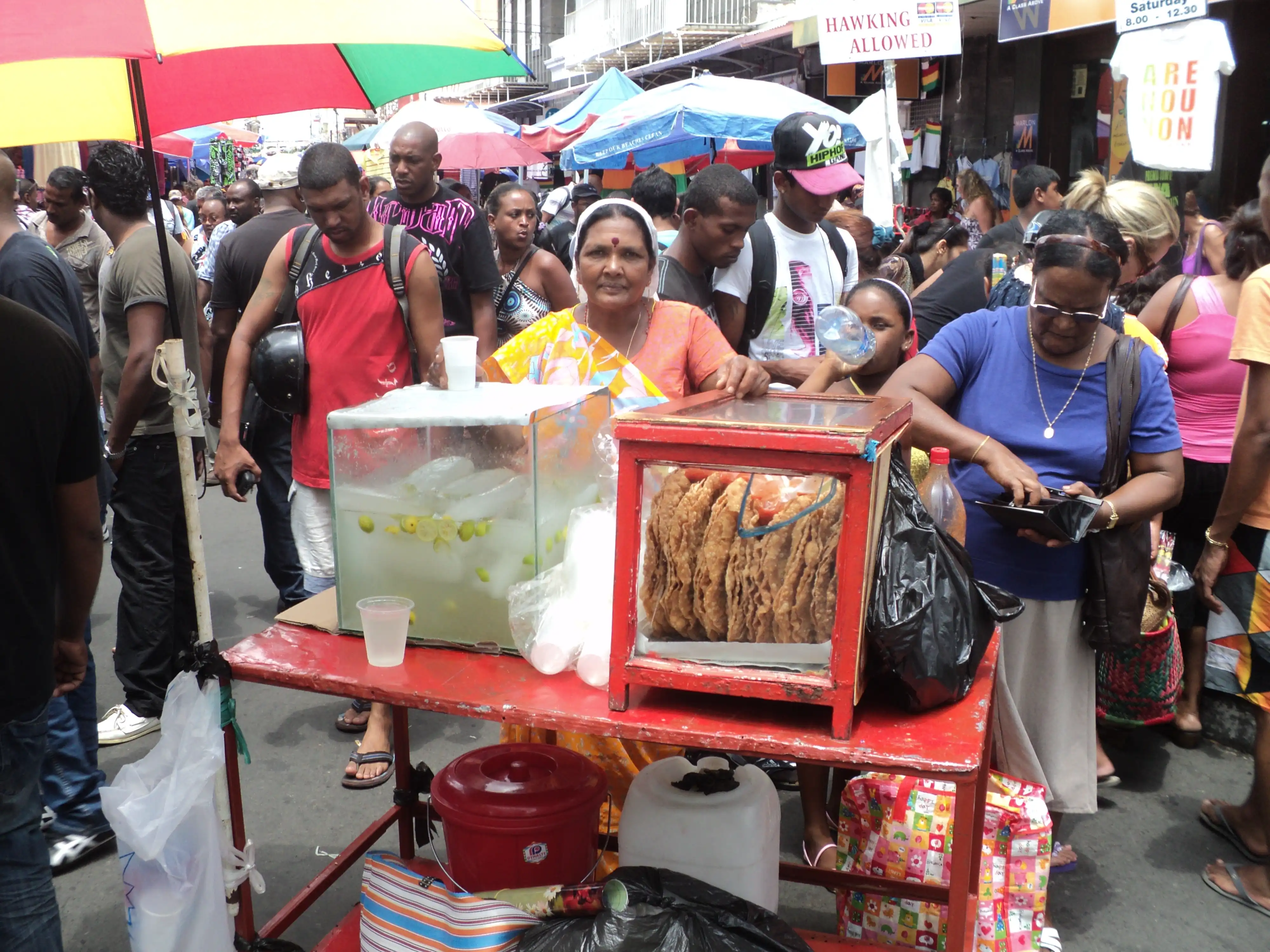
And the food. Oh, the food. Mauritian cuisine is a glorious fusion, and much of the best of it is cheap and on the street:
Dholl puri — soft flatbread filled with split peas, the island's beloved street-food staple.
Gateaux piments — spicy split-pea fritters, perfect with morning coffee.
Rougaille — a rich, tomato-based Creole stew.
Mauritian biryani, fresh seafood, tropical fruit, and street stalls that will ruin restaurant food for you in the best way.
Wander through Port Louis — the Central Market, Chinatown, the Caudan Waterfront — and you'll taste, smell, and hear all of it at once. For honeymooners it's romance with depth. For families it's an education that doesn't feel like one. For the curious traveller, it's the reason you'll want to come back.
Important Cultural and Historical Places
Travellers interested in culture should visit:
Aapravasi Ghat in Port Louis
Mauritius is often described as a paradise island, but its history is deep. Understanding that history makes the island feel even more meaningful
Easy to Reach: Direct Flights From Almost Everywhere
Mauritius feels remote, but it is surprisingly well connected.
A destination this good would be frustrating if it were a nightmare to get to. Happily, Mauritius is well connected, with around two dozen airlines serving its single international airport, Sir Seewoosagur Ramgoolam International Airport (MRU) — a quick 25-minute drive from the island's centre.
Here's where you can fly direct:
From Europe
London (Gatwick) — around 12 hours, with British Airways and Air Mauritius.
Paris — year-round with Air France, Corsair, and Air Mauritius.
Frankfurt — with Condor and Discover Airlines.
Vienna, Zurich, Geneva, Rome, and Madrid — a mix of year-round and seasonal routes.
Istanbul — with Turkish Airlines, a handy hub for much of the world.
From the Middle East (and the Dubai gateway)
Dubai — around 6 hours 40 minutes with Emirates, making it a superb connecting point from across the globe.
Jeddah — with Saudia.
From Africa
Johannesburg — around 4 hours, with several carriers.
Cape Town — around 5 hours.
Nairobi — around 4 hours 20 minutes with Kenya Airways.
Plus regional links including Antananarivo (Madagascar) and Réunion.
From Asia
Mumbai, Delhi, Chennai, and Bengaluru in India.
Kuala Lumpur in Malaysia.
From Oceania
Perth — the only direct route from Australia, flown by Air Mauritius.
One honest heads-up: there are currently no direct flights from the Americas or East Asia (the US, Canada, China, Japan, and so on). Travellers from those regions connect easily via Dubai, Paris, Istanbul, or other hubs — it's a one-stop journey, not a deal-breaker.
For most of Europe, Africa, the Gulf, and India, though, Mauritius is genuinely on your doorstep. And for honeymooners and families especially, a single direct flight to paradise is worth a lot.
Want to Stay Longer? Mauritius Makes That Easy Too
Here's a card the Maldives and Seychelles simply can't play. Mauritius doesn't just want you to visit — it's set up to let you stay.
For a normal holiday, most visitors get a generous 60-day visa-free stay on arrival (extendable by a further 30 days at the immigration office), with just a simple online travel form to complete before you fly. Easy.
But the real headline is the Mauritius Premium Visa, launched to welcome long-stay travellers, remote workers, and retirees. The details that make it special:
It's valid for up to one year, and it's renewable.
It's free — there's no application fee — and you apply online.
You can bring your family (spouse and dependent children).
It's designed for people who work remotely for an employer or clients outside Mauritius, or who are simply retiring or holidaying long-term. You can't take a local job on it.
The main requirement is proof of a minimum income (around USD 1,500 per month, with the threshold rising for accompanying family members) plus travel and health insurance.
In practice, this turns Mauritius into one of the world's most appealing bases for remote workers and "slow travellers." Swap five stressful short breaks a year for one long, sun-soaked stretch of island life — working from a lagoon-side apartment, with weekends spent hiking, diving, and exploring.
There's also a longer-term residency route — including a high-value "golden visa" investment option — for those thinking about putting down roots, with a potential path toward naturalisation over time.
Important: visa rules, income thresholds, processing times, and tax residency lines (broadly, spending more than around 183 days a year here can make you a tax resident) change regularly, and tax in particular is best handled with professional advice. Always confirm the current details on the official Mauritius Economic Development Board and immigration websites before making plans. But the headline stands: few paradise islands roll out the welcome mat for a long stay quite like this one.
Who Is Mauritius Perfect For?
Let's make this simple. Mauritius is an exceptional choice if you're:
A honeymooner or couple — world-class romantic resorts, dramatic sunset beaches, and the kind of variety that means you'll never run out of "us" things to do.
A family — calm, shallow, swimmable lagoons, public beaches, family resorts, nature parks, and a safe, easy environment where parents can actually relax.
A repeat traveller — someone who's already ticked off the obvious islands and wants beaches with mountains, culture, history, and adventure layered on top.
An adventure seeker — hiking, kitesurfing, diving, canyoning, and once-in-a-lifetime wildlife encounters.
A remote worker or retiree — thanks to that one-year Premium Visa, a stable, English-friendly, beautiful base to live the island life for real.
A budget-conscious dreamer — the rare tropical paradise you can do affordably, without sacrificing the magic.
If you saw yourself in even one of those, your next trip just picked itself.
Ready to Start Planning?
Here's the honest truth after all of this: Mauritius isn't the island you visit once and cross off a list. It's the one that quietly works its way under your skin — the beaches that rival anywhere on Earth, the mountains you didn't expect, the food you'll crave for months, the morning a wild dolphin looked you in the eye, and the welcome that makes you want to stay a year instead of a week.
So don't overthink it. Pick your season — the dry, sunny months if you want classic beach weather, the cooler months if you're dreaming of whales. Choose a base on the calm, sociable north or the dramatic, adventurous west. Decide whether this is the barefoot-luxury trip, the budget family adventure, or the long, slow remote-working escape you've been promising yourself.
Then start mapping out the days. Block out a morning for the dolphins. Save an afternoon for a mountain. Leave one evening completely empty for a beach, a sunset, and a plate of something you can't pronounce yet.
Mauritius has been waiting patiently while everyone else flew to the obvious islands. Maybe it's your turn to find out what they've been missing.
Whether you are a honeymooner, a family, a couple, a long-stay traveller or someone returning for the second or third time, Mauritius gives you space to travel your own way.
And that is why Mauritius should be your next holiday destination.
Frequently Asked Questions
1. Is Mauritius really better than the Maldives or Seychelles?
It depends on what you want — but for an all-round holiday, yes. The Maldives wins on flawless sand, overwater villas, and snorkelling; Seychelles wins on dramatic, boulder-strewn beauty. Mauritius wins on everything together: beautiful beaches plus mountains, culture, history, a huge range of things to do, accommodation for every budget, and generally better value for money. If you want to do more than lie on the sand — and you want options at every price point — Mauritius is the stronger choice.
2. When is the best time to visit Mauritius?
It's warm year-round, so there's no truly bad time. The dry "winter" season (roughly May to November) is the sweet spot for sunny days, calm seas, and great hiking. The warmer "summer" months (November to April) bring the warmest ocean and lush landscapes, with a higher chance of short downpours and a small cyclone risk in January–March. For whale watching, aim for the cooler months, with humpbacks around from about July to October.
3. Is Mauritius good for families and honeymoons?
It's outstanding for both. Families love the calm, reef-protected lagoons that are safe for children, the public beaches, the nature parks, and the overall safety and ease. Honeymooners and couples get world-class romantic resorts, breathtaking sunsets, and enough variety — from spa days to mountain hikes — that the trip never feels one-note. It's one of the few destinations that genuinely suits a multi-generational trip and a romantic getaway equally well.
4. Can you actually swim with dolphins and whales in Mauritius?
You can swim with wild dolphins — spinner and bottlenose pods gather off the west coast, and early-morning tours let you snorkel near them in their natural habitat. You cannot legally swim with whales in Mauritius; it's prohibited under local marine regulations, and whales are admired from the boat instead. The good news: sperm whales are here year-round, and migrating humpbacks visit from around July to October, so boat-based whale watching is spectacular. Always choose a licensed, ethical, small-group operator that keeps a respectful distance.
5. Is Mauritius expensive — can I do it on a budget?
Mauritius is one of the most budget-flexible tropical destinations out there. Yes, it has ultra-luxury resorts, but it also has a deep supply of guesthouses, self-catering apartments, and homestays, plus cheap and delicious street food, local markets, and an inexpensive bus network. You can do a genuinely affordable holiday here — which is exactly what you can't easily do in the Maldives or Seychelles. Whatever your budget, there's a brilliant version of a Mauritius trip waiting for you.