Best Diving Spots in Mauritius: A Local Guide to Scuba Diving Sites, Reefs, Wrecks, Walls and Dive Centres Around the Island
Best Diving Spots in Mauritius - Your Local Guide
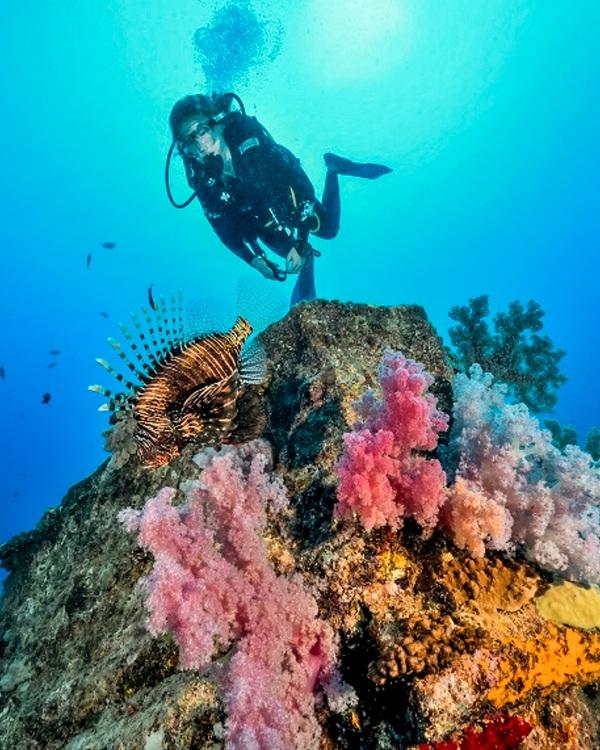
Mauritius is one of the most underrated scuba diving destinations in the Indian Ocean. Most travellers know the island for beaches, lagoons, catamaran cruises and luxury resorts, but just beyond the reef there is another Mauritius: walls, arches, caverns, wrecks, coral gardens, volcanic rock formations, drift dives, reef fish, turtles, rays, moray eels, nudibranchs, barracuda and seasonal big-fish encounters.
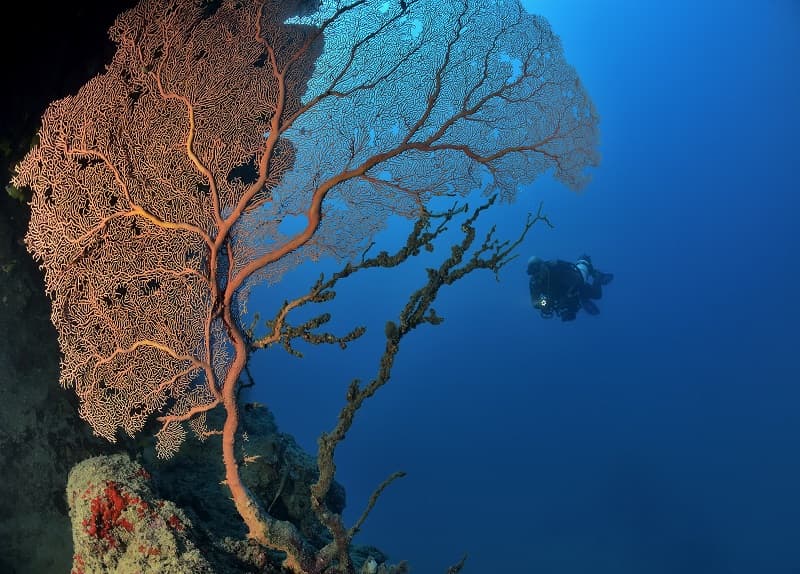
What makes diving in Mauritius special is the variety. The island is surrounded by coral reef, but each coast feels different. The north is known for island dives around Coin de Mire, Flat Island, Round Island and Snake Island. The west is famous for Flic en Flac, Cathedral, Rempart Serpent, Aquarium and wreck diving. The east offers Belle Mare reef dives, drift dives, wrecks and pelagic encounters. The southeast gives access to Blue Bay and an unspoiled lagoon environment. The southwest around Le Morne is more exposed and adventurous, with drift dives and big-fish potential.
Official Mauritius tourism information notes that the island has more than 100 dive sites within easy reach of the coastline, including sunken wrecks that have become artificial reefs. It also highlights The Cathedral as one of the island’s most famous underwater landscapes, known for its drop-offs, boulders, caves and arches.
This guide focuses mainly on the best scuba diving spots in Mauritius, with a practical overview of the best regions, famous dive sites, what level they suit and a few trusted dive centres to help you plan your underwater adventure.
Why Go Diving in Mauritius?
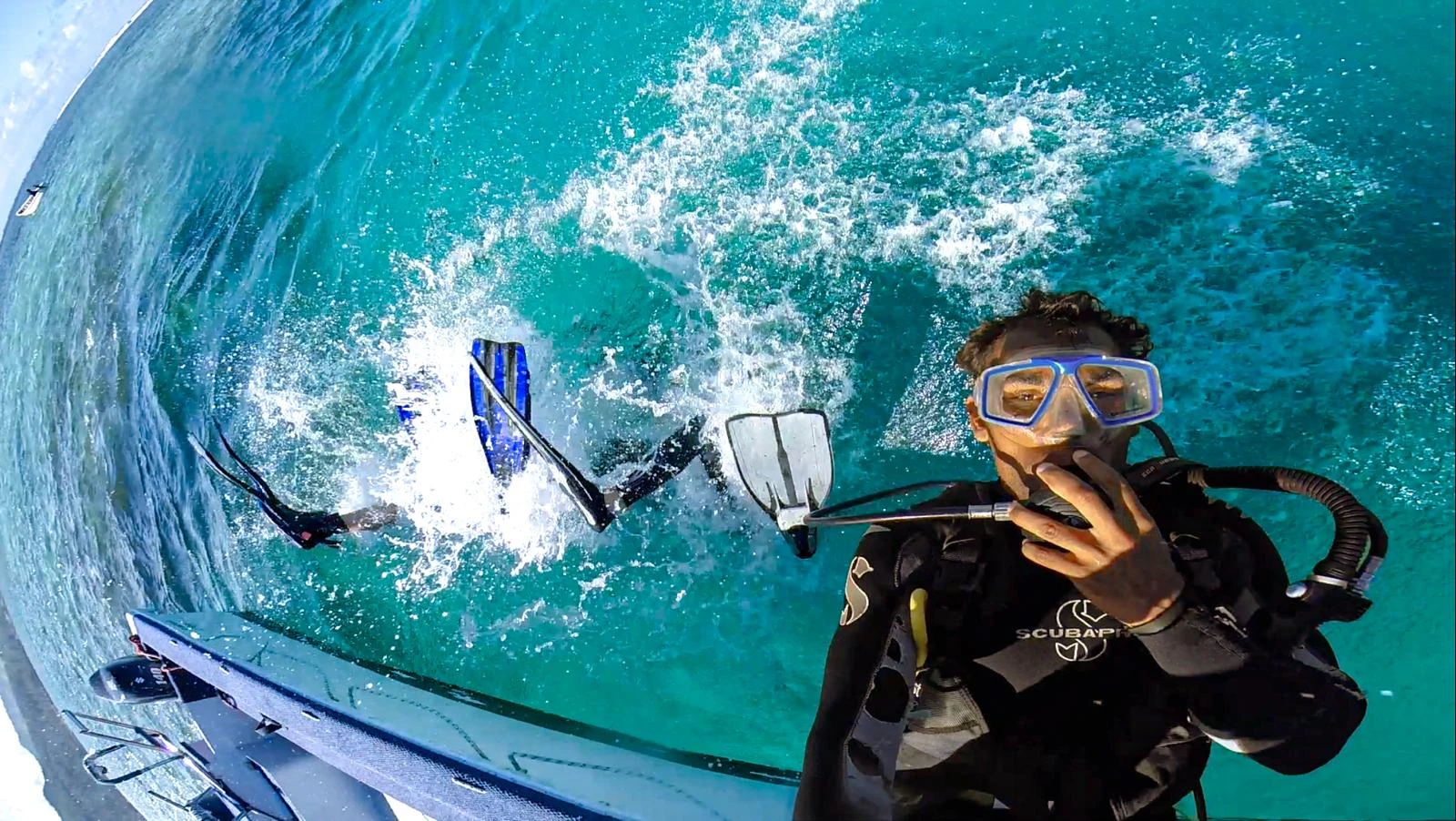
Scuba diving in Mauritius is perfect for travellers who want to see more than the beach. The island’s underwater world is shaped by coral reefs, volcanic formations, channels, wrecks and reef passes. This creates a wide range of dive styles, from easy beginner reef dives to deeper walls, caverns, drift dives and advanced sites.
Mauritius diving is best for:
Beginner divers
Certified Open Water divers
Advanced divers
Wreck diving fans
Underwater photographers
Families with teenagers
Honeymooners looking for adventure
Travellers staying in Flic en Flac, Grand Baie, Belle Mare or Le Morne
Divers who want reef fish, turtles, rays and dramatic underwater topography
Visitors who want to combine diving with beaches, catamarans and nature
The best thing about diving in Mauritius is that you can choose your coast depending on your level. Beginners can enjoy shallow reef sites like Aquarium near Flic en Flac or sheltered training areas near northern lagoons. More experienced divers can head to Cathedral, Rempart Serpent, Coin de Mire walls, Belle Mare drift dives or Pass St Jacques near Le Morne.
Quick Answer: Best Diving Spots in Mauritius
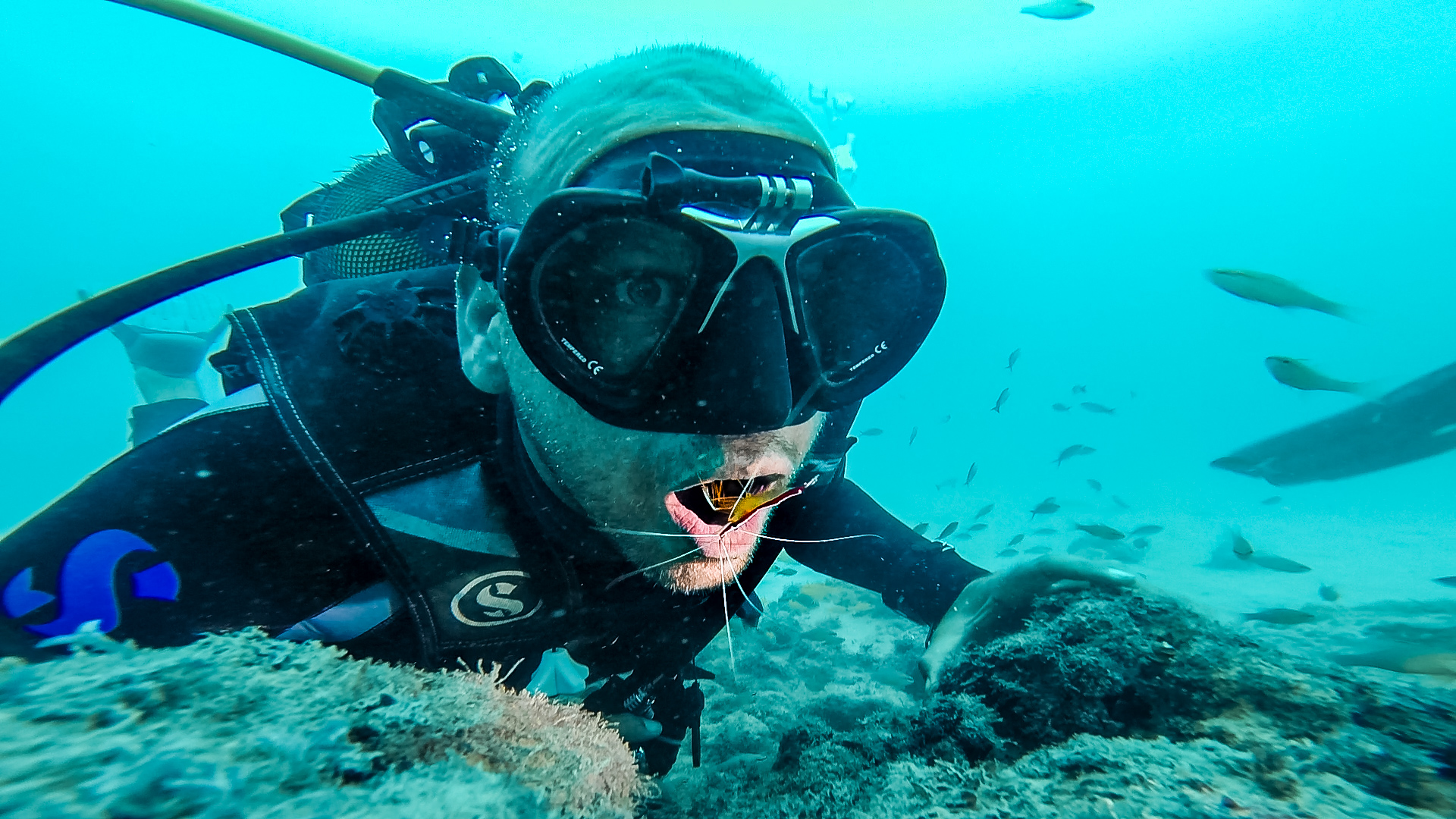
If you only want the shortlist, these are some of the best and most famous dive sites in Mauritius:
Cathedral — Flic en Flac / West Coast
Rempart Serpent / Snake Reef — Flic en Flac / West Coast
Aquarium — Flic en Flac / West Coast
Tug II Wreck — Flic en Flac / West Coast
Coin de Mire — North Mauritius
Confetti Bay — Coin de Mire / North Mauritius
Whale Rock — Grand Baie / North Mauritius
Stella Maru Wreck — Trou aux Biches / Northwest
Belle Mare reefs — East Mauritius
Ruang Lap Wreck — East Mauritius
Blue Bay Marine Park area — Southeast Mauritius
Le Morne reef dives — Southwest Mauritius
Pass St Jacques — Le Morne / Southwest
Hoi Siong No. 6 Wreck — Le Morne / Southwest
These sites vary in depth, current, visibility and difficulty. Always check conditions with a licensed dive centre before booking.
Best Diving Regions in Mauritius
North Mauritius
Best for: island dives, reef walls, caves, dive safaris, clear water, variety
Main areas: Grand Baie, Pereybere, Trou aux Biches, Coin de Mire, Flat Island, Round Island
North Mauritius is one of the best diving regions on the island because it gives access to offshore islands and varied underwater landscapes. From Grand Baie, Pereybere and Trou aux Biches, dive boats can reach reefs, walls, wrecks and island sites.
The north is especially good for certified divers who want variety. Sites around Coin de Mire are among the best-known in Mauritius, and some dive operators also organise full-day dive safaris towards Flat Island, Round Island and Snake Island, depending on conditions.
Octopus Diving Centre is a well-known north coast dive centre based around Pereybere. It describes its location as ideal for diving around Grand Baie, Pereybere, Trou aux Biches, Coin de Mire, Flat Island, Snake Island and Round Island, with small groups and a multilingual team.
West Mauritius
Best for: famous dive sites, caverns, walls, wrecks, underwater photography
Main areas: Flic en Flac, Wolmar, Tamarin, Black River
West Mauritius is home to some of the island’s most iconic dive sites. If you ask local divers for famous Mauritius dive spots, Cathedral and Rempart Serpent will almost always come up.
Flic en Flac is the centre of west coast diving. The sites are close by boat, varied and suitable for different levels. Beginners can start at easier reef sites, while advanced divers can explore walls, caverns and deeper sites.
Sundivers Mauritius is based on the west coast at La Pirogue Hotel, Wolmar, Flic en Flac, and offers PADI and SSI courses. Its website says it is accessible to divers outside the resort and offers pick-up services in Flic en Flac.
East Mauritius
Best for: drift dives, reef dives, wrecks, pelagic potential, resort-based diving
Main areas: Belle Mare, Palmar, Poste de Flacq, Trou d’Eau Douce
East Mauritius is less often discussed than the west by casual visitors, but it has excellent diving. The east coast is known for reef dives, drift dives, wrecks and stronger pelagic potential in some areas.
Crystal Diving Centre is based at Crystals Beach Resort in the Belle Mare / Palmar area and describes the east coast as known for big pelagic fish, drift dives, reef dives and the Ruang Lap wreck. Blues Diving is located at Constance Belle Mare Plage and states that non-hotel guests can also book, with year-round average sea temperature around 25°C and visibility around 10–15 metres.
Southeast Mauritius
Best for: Blue Bay, marine park environment, beginner-friendly lagoon experiences, coral and reef fish
Main areas: Blue Bay, Mahébourg, Pointe d’Esny, South East Lagoon
The southeast is best known for Blue Bay Marine Park, one of the island’s most famous marine areas. It is especially popular for snorkelling, but there are also dive centres and dive experiences in this region.
Scuba World Diving Centre describes itself as a PADI 5 Star Resort offering diving in an unspoiled South East lagoon. This area is especially useful for travellers staying near Blue Bay, Mahébourg, Pointe d’Esny or the airport.
Southwest Mauritius
Best for: Le Morne scenery, drift dives, advanced dives, big-fish encounters
Main areas: Le Morne, La Gaulette, Bel Ombre, southwest reef passes
The southwest is more dramatic and can be more exposed. It is best for divers who want something more adventurous, especially around Le Morne. Some dives here can involve currents and reef passes, so it is important to go with experienced operators.
Blue Lungs Diving Centre at Le Morne listing highlights Pass St Jacques as a drift dive where bull sharks and barracudas ride the currents, and also mentions the Hoi Siong No. 6 wreck as a marine-life haven. ScubaCaribe’s own Le Morne page also notes that Pass St Jacques can offer encounters with bull sharks, barracudas and reef sharks.
Best Diving Spots in Mauritius
1. Cathedral — Flic en Flac
Best for: advanced divers, caves, arches, walls, underwater photography
Region: West Mauritius
Type: wall, cave, cavern, boulder formation
Typical level: advanced or confident certified divers
Cathedral is probably the most famous dive site in Mauritius. Located off the west coast near Flic en Flac, it is known for dramatic underwater architecture: arches, caves, boulders, deep drop-offs and shafts of light that create a cathedral-like atmosphere underwater.
PADI describes Cathedral as a site of arches and caves off Flic en Flac, where advanced divers can encounter lobsters and reef fish among boulders and dramatic drop-offs. It lists the site as a boat-entry cave and wall dive, with Advanced Open Water and Rescue Diver training suggested for the site.
This is a must-dive for experienced divers visiting Mauritius. It is not only about marine life. The real attraction is the topography: the feeling of moving through underwater stone passages, light beams and vertical structures.
Why dive Cathedral:
One of the most famous dive sites in Mauritius
Dramatic caves, arches and walls
Excellent for underwater photography
Strong sense of underwater atmosphere
Good for advanced divers
Local tip: Cathedral is best enjoyed when visibility is good and current is manageable. Do not rush the dive. The beauty is in the light, rock formations and slow movement through the site.
Internal links:
West Mauritius Travel Guide
Flic en Flac Beach Guide
Best Things to Do in Mauritius
2. Rempart Serpent / Snake Reef — Flic en Flac
Best for: underwater photographers, reef fish, moray eels, macro life, advanced divers
Region: West Mauritius
Type: reef, boulders, sandy bottom
Typical level: intermediate to advanced
Rempart Serpent, also known as Snake Reef, is another famous Flic en Flac dive site. It gets its name from the long, snake-like shape of the reef structure. This is one of the best sites in Mauritius for photographers because of the variety of marine life packed around the reef.
Divebooker describes Rempart Serpent as a site around 15 minutes from Flic en Flac, with strong currents possible, making it better for experienced divers. Sundivers describes Snake Reef as a northern Flic en Flac site facing the cliffs of Médine Sugar Estate, with a maximum depth around 26 metres and an advanced level recommended.
Expect boulders, sandy bottom, moray eels, reef fish and good macro opportunities. Conditions can vary, so listen carefully to the dive briefing.
Why dive Rempart Serpent:
One of the best west coast dive sites
Good for underwater photography
Moray eels and reef life
Interesting reef shape and boulder formations
Strong option for experienced divers
Local tip: This is a good Nitrox dive if you are qualified and the operator offers it, because much of the site sits around deeper recreational depths.
3. Aquarium — Flic en Flac
Best for: beginners, first certified dives, colourful reef fish, relaxed diving
Region: West Mauritius
Type: shallow reef
Typical level: beginner to certified
Aquarium is one of the best beginner-friendly dive sites in Mauritius. As the name suggests, this site is known for colourful reef fish and easy underwater life. It is a good choice for Open Water divers, refreshers or anyone who wants a relaxed dive without the intensity of deeper walls and caverns.
ScubaGo lists Aquarium in Flic en Flac as a boat-entry site between around 5 and 20 metres, ideal for beginners because of its shallow depth and colourful reef fish. Sea Urchin Diving also describes Aquarium as ideal for beginners, with many colourful reef fish between 5 and 20 metres.
Why dive Aquarium:
Beginner-friendly
Shallow and colourful
Good for confidence-building
Easy boat access from Flic en Flac
Good for relaxed reef diving
Local tip: Aquarium is a great first dive after arrival in Mauritius, especially if you have not dived for a while.
4. Tug II Wreck — Flic en Flac
Best for: wreck diving, beginner-to-intermediate divers, artificial reef life
Region: West Mauritius
Type: wreck
Typical level: certified divers
Tug II is one of the accessible wreck dives near Flic en Flac. Wrecks in Mauritius often act as artificial reefs, attracting fish and creating structure in the underwater landscape.
ScubaGo describes Tug II as a former tugboat that worked in Port Louis and was sunk in the 1980s for scuba diving, sitting at around 19 metres. This makes it a good wreck option for divers who are not ready for very deep or technical wreck dives.
Why dive Tug II:
Accessible wreck dive
Good artificial reef life
Interesting structure
Manageable depth for certified divers
Good west coast variety
Local tip: Wreck dives are best done slowly. Look into cracks and structure carefully, but avoid touching or entering anything unless properly trained and briefed.
5. Coin de Mire — North Mauritius
Best for: island diving, walls, visibility, reef life, certified divers
Region: North Mauritius
Type: island reef, wall, boulders
Typical level: beginner to advanced depending on site
Coin de Mire, also known as Gunner’s Quoin, is one of the best diving areas in North Mauritius. The island sits off the north coast and has several dive sites around it. Conditions can be excellent, and the underwater scenery is more dramatic than many lagoon-adjacent reefs.
Bluewater Dive Travel describes Coin de Mire as possibly the best diving in Mauritius, with excellent visibility, wall and wreck diving, and the chance of large pelagic encounters. Travel dive writing also notes that Coin de Mire is about 9 km offshore from Cap Malheureux and has multiple dive sites, including easier conditions at Confetti Bay and more exciting sites such as the Wall and Pyramids for certified divers.
Why dive Coin de Mire:
One of the top diving areas in Mauritius
Good visibility
Several dive sites around one island
Strong mix of beginner and advanced options
Beautiful north coast boat trip
Local tip: Ask your dive centre which Coin de Mire site matches your level. The island has easier and more challenging options.
Internal links:
North Mauritius Travel Guide
Cap Malheureux Guide
Best Instagrammable Places in Mauritius
6. Confetti Bay — Coin de Mire
Best for: Open Water divers, training dives, colourful reef life
Region: North Mauritius
Type: reef
Typical level: beginner to certified
Confetti Bay is often mentioned as one of the easier dive sites around Coin de Mire. It is a good option for newer divers who want to experience northern island diving without going straight into more demanding walls or currents.
The Very Hungry Mermaid’s Mauritius diving guide notes that many Open Water courses head to Confetti Bay for easier conditions and shallower depth, while more experienced divers may prefer sites such as the Wall and Pyramids.
Why dive Confetti Bay:
Good north coast beginner site
Easier than deeper island walls
Nice reef scenery
Good introduction to Coin de Mire
Suitable for relaxed certified dives
Local tip: If you are new to diving but want the “northern island” experience, ask your dive centre about Confetti Bay.
7. Whale Rock — Grand Baie / North
Best for: north coast diving, reef life, certified divers
Region: North Mauritius
Type: reef / rock formation
Typical level: certified divers
Whale Rock is one of the known dive sites around the Grand Baie / north region. It appears in several dive site lists alongside other northern and northwest sites such as Stella Maru, Turtle Point and Coin de Mire.
The site is a good example of why north Mauritius has such a strong diving reputation: there are many named sites within reach of Grand Baie, Pereybere and Trou aux Biches, giving divers variety during a week-long stay.
Why dive Whale Rock:
Recognised north coast site
Good for certified divers
Easy to combine with Grand Baie stay
Adds variety to northern dive itineraries
Local tip: Ask your dive centre about current conditions and which northern sites are best during your visit. Weather and sea state can influence site selection.
8. Stella Maru Wreck — Trou aux Biches
Best for: wreck diving, northwest coast, certified divers
Region: Northwest Mauritius
Type: wreck
Typical level: certified divers
Stella Maru is one of the better-known wreck dives in Mauritius and is associated with the Trou aux Biches area. It is often listed among well-known Mauritius dive sites alongside other northwest and west coast sites.
Wreck dives are attractive because they create structure and habitat. Fish often gather around the wreck, and the site can be interesting for photographers and divers who enjoy artificial reefs.
Why dive Stella Maru:
Known Mauritius wreck dive
Good northwest coast option
Interesting artificial reef
Good for certified divers
Local tip: Check with your dive centre whether Stella Maru is suitable for your certification level and recent conditions.
9. Belle Mare Reef Dives — East Mauritius
Best for: reef diving, drift diving, pelagic potential, resort-based diving
Region: East Mauritius
Type: reef, drift, wreck depending on site
Typical level: beginner to advanced depending on site
Belle Mare is better known to many travellers for its long beach and luxury resorts, but it is also a strong diving region. The east coast can offer reef dives, drift dives and wrecks.
Crystal Diving Centre says the east coast is known for big pelagic fishes, drift dives, superb reef dives and the Ruang Lap wreck. Blues Diving at Constance Belle Mare Plage also offers east coast diving and notes that non-hotel guests can book dives.
Why dive Belle Mare:
Strong east coast dive base
Good for resort guests
Drift and reef dive options
Pelagic potential
Wreck options nearby
Local tip: East coast conditions can be affected by wind and current. Ask your dive centre whether the day’s sites are suitable for your experience level.
Internal links:
East Mauritius Travel Guide
Belle Mare Beach Guide
Luxury Hotels in Mauritius
10. Ruang Lap Wreck — East Mauritius
Best for: wreck divers, east coast diving, certified divers
Region: East Mauritius
Type: wreck
Typical level: certified divers
The Ruang Lap wreck is one of the named wreck dives associated with the east coast. Crystal Diving Centre specifically mentions the wreck as part of the east coast diving offer, alongside reef and drift dives.
This is a good option for divers staying in Belle Mare, Palmar or Poste de Flacq who want something more structured than a simple reef dive.
Why dive Ruang Lap:
East coast wreck dive
Good for certified divers
Adds variety to Belle Mare diving
Interesting artificial reef habitat
Local tip: Wrecks should be treated with respect. Do not penetrate wreck structures unless you are trained, equipped and specifically guided for that type of dive.
11. Blue Bay Marine Park Area — Southeast Mauritius
Best for: coral, reef fish, beginner-friendly marine experience, snorkelling and diving
Region: Southeast Mauritius
Type: marine park / lagoon reef
Typical level: beginner-friendly depending on dive site
Blue Bay is one of the most famous marine areas in Mauritius. Many visitors know it for snorkelling and glass-bottom boats, but the southeast also has scuba diving options through nearby dive centres.
Scuba World Diving Centre describes itself as a PADI 5 Star Resort offering diving in the South East lagoon. This makes the area useful for travellers staying in Blue Bay, Mahébourg, Pointe d’Esny or near the airport.
Why dive Blue Bay / southeast:
Famous marine area
Good for travellers staying near Mahébourg
Beginner-friendly options
Coral and reef fish
Easy to combine with Blue Bay beach and Île aux Aigrettes
Local tip: Blue Bay is a sensitive marine environment. Do not touch coral, stand on reef or chase marine life.
Internal links:
Blue Bay Beach Guide
Exploring Mahébourg Mauritius
Nature Reserves and Parks in Mauritius
12. Le Morne Reef Dives — Southwest Mauritius
Best for: scenic southwest diving, Le Morne stays, certified divers
Region: Southwest Mauritius
Type: reef, drift, wreck depending on site
Typical level: certified divers, with some beginner options depending on centre
Le Morne is famous for its mountain, lagoon, kitesurfing and luxury hotels, but it is also a diving base. The underwater landscape around the southwest can feel more adventurous than some calmer lagoon areas.
Easy Dive Mauritius is associated with Le Morne diving experiences, and GetYourGuide lists a discover scuba diving experience with Easy Dive Mauritius in Le Morne. ScubaCaribe also operates in Le Morne and highlights local dive adventures beneath the reef and mountain setting.
Why dive Le Morne:
Beautiful southwest setting
Good for travellers staying in Le Morne
Reef, drift and wreck possibilities
Strong scenic combination with hiking and beach time
Good for adventure-focused travellers
Local tip: Le Morne diving can be more exposed than sheltered lagoon dives. Choose a centre that matches your experience level carefully.
Internal links:
Le Morne Beach Guide
West Mauritius Travel Guide
Best Surf and Kitesurf Spots in Mauritius
13. Pass St Jacques — Le Morne
Best for: advanced divers, drift diving, big fish, adrenaline
Region: Southwest Mauritius
Type: drift / pass dive
Typical level: advanced
Pass St Jacques is one of the more adventurous dive sites in Mauritius. This is not a casual beginner reef dive. It is known as a drift dive with strong current potential and big-fish encounters.
PADI’s ScubaCaribe Mauritius listing describes Pass St Jacques as a drift dive where bull sharks and barracudas ride the currents. ScubaCaribe’s Le Morne page also mentions bull sharks, barracudas and grey and white-tip reef sharks often being spotted.
Why dive Pass St Jacques:
One of the most exciting advanced dives in Mauritius
Drift dive with current
Big-fish potential
Strong choice for experienced divers
Different feel from calm reef dives
Local tip: Only dive this site with a reputable operator and when conditions are suitable. It is best for confident divers with drift experience.
14. Hoi Siong No. 6 Wreck — Le Morne
Best for: wreck diving, southwest diving, certified divers
Region: Southwest Mauritius
Type: wreck
Typical level: certified divers
Hoi Siong No. 6 is a named wreck associated with Le Morne diving. PADI’s ScubaCaribe listing describes it as a legendary wreck and marine-life haven.
This is a good option for divers staying in Le Morne who want a wreck dive rather than a reef or drift dive.
Why dive Hoi Siong No. 6:
Recognised southwest wreck dive
Good marine-life habitat
Adds variety to Le Morne diving
Strong option for certified divers
Local tip: As with all wreck dives, follow your guide and do not enter enclosed areas unless properly trained.
Best Diving Spots by Skill Level
Best Dive Sites for Beginners
Aquarium — Flic en Flac
Confetti Bay — Coin de Mire
Selected Belle Mare reef dives
Blue Bay / southeast lagoon dives
Discover scuba dives in Le Morne or Belle Mare
Beginner divers should choose sites with calm conditions, shallow depth and easy boat access. Always tell the dive centre your experience level honestly.
Best Dive Sites for Certified Open Water Divers
Coin de Mire easier sites
Aquarium
Tug II Wreck
Selected Belle Mare reefs
Blue Bay area
Le Morne reef dives in good conditions
These are good for divers with some experience who want variety without advanced currents or depth.
Best Dive Sites for Advanced Divers
Cathedral
Rempart Serpent
Pass St Jacques
Belle Mare drift dives
Ruang Lap Wreck
Coin de Mire walls
Deeper Flic en Flac sites
Advanced divers should ask about currents, depth, visibility and entry conditions before booking.
Best Dive Sites for Underwater Photography
Cathedral
Rempart Serpent
Aquarium
Coin de Mire
Belle Mare reefs
Blue Bay area
Tug II Wreck
Mauritius is excellent for wide-angle scenery at sites like Cathedral and macro or fish photography at sites like Rempart Serpent and Aquarium.
Best Dive Centres in Mauritius by Region
This is not a complete list of every dive centre on the island, but these are useful names to include for travellers planning by region.
North Mauritius Dive Centres
Octopus Diving Centre — Pereybere / Grand Baie Area
Octopus Diving Centre is one of the well-known dive centres in North Mauritius. It covers dive areas around Grand Baie, Pereybere, Trou aux Biches, Coin de Mire, Flat Island, Snake Island and Round Island. The centre highlights small groups, long dives, an 11-metre dive boat with toilet and shower, onboard drinks and a multilingual team.
Best for: Coin de Mire, northern island sites, small group diving, certified divers, dive safaris
Other north coast options
Travellers can also find dive centres around Grand Baie, Trou aux Biches and Pereybere, depending on hotel location and desired dive sites.
West Mauritius Dive Centres
Sundivers Mauritius — Flic en Flac / Wolmar
Sundivers is based at La Pirogue Hotel in Wolmar, Flic en Flac, and offers PADI and SSI training. It is accessible to divers outside the resort and offers pick-up services in Flic en Flac.
Best for: Flic en Flac dive sites, Cathedral, Rempart Serpent, Aquarium, west coast diving
Other west coast options
Flic en Flac has several dive operators because it is one of the island’s main diving hubs. PADI lists multiple dive shops in Flic en Flac and notes that its listed centres offer training and follow PADI quality standards.
East Mauritius Dive Centres
Crystal Diving Centre — Belle Mare / Palmar
Crystal Diving Centre is based at Crystals Beach Resort in the Belle Mare / Palmar area. It offers east coast diving, including shallow, deep, drift, wreck and canyon dives, and describes the area as known for pelagic fish, drift dives, reef dives and the Ruang Lap wreck.
Best for: Belle Mare diving, east coast reefs, drift dives, Ruang Lap Wreck
Blues Diving — Constance Belle Mare Plage
Blues Diving is located within Constance Belle Mare Plage and states that non-hotel guests can book dives. It highlights year-round average sea temperature of around 25°C and visibility around 10–15 metres.
Best for: Belle Mare resort diving, PADI training, east coast reef dives
Southeast Mauritius Dive Centres
Scuba World Diving Centre — Southeast Lagoon
Scuba World Diving Centre describes itself as a PADI 5 Star Resort offering diving in an unspoiled South East lagoon.
Best for: Blue Bay / southeast lagoon diving, beginner and certified dives, southeast stays
Southwest / South Mauritius Dive Centres
Easy Dive Mauritius — Le Morne
Easy Dive Mauritius is associated with Le Morne scuba diving experiences, including discover scuba options in the southwest.
Best for: Le Morne stays, beginner experiences, southwest reef dives
ScubaCaribe Mauritius — Le Morne
ScubaCaribe is listed by PADI in Le Morne and highlights dives such as Pass St Jacques and Hoi Siong No. 6 Wreck.
Best for: Le Morne, Pass St Jacques, wreck and drift diving, resort-based diving
Best Time to Dive in Mauritius
Mauritius can be dived year-round, but conditions vary by region, season, wind and sea state.
In general:
October to December often gives warmer water and good visibility.
January to March can be warm but cyclone season can affect sea conditions.
April to June can be pleasant and less extreme.
July to September can be cooler and windier, especially on exposed coasts.
Water temperature and visibility can vary by coast. Blues Diving in Belle Mare notes year-round average sea temperature around 25°C and visibility around 10–15 metres for its east coast diving.
The best advice is simple: choose the region based on where you are staying, then ask local dive centres which sites are best for the week you are visiting.
What Marine Life Can You See While Diving in Mauritius?
Marine life changes by coast and site, but divers may see:
Reef fish
Moray eels
Lionfish
Scorpionfish
Stonefish
Nudibranchs
Lobsters
Octopus
Rays
Turtles
Barracuda
Trevally
Reef sharks in selected areas
Bull sharks at advanced sites such as Pass St Jacques
Seasonal dolphins or whales from boats, not as normal scuba encounters
The best marine life experience depends on the site. Aquarium is good for colourful reef fish. Rempart Serpent is strong for moray eels and macro subjects. Cathedral is more about topography. Pass St Jacques is for experienced divers looking for big-fish encounters.
Final Local Tip
The best diving spot in Mauritius depends on your level and the type of dive you want.
Choose Flic en Flac if you want the island’s most famous dive sites, including Cathedral, Rempart Serpent, Aquarium and Tug II. Choose the north if you want island diving around Coin de Mire, Flat Island, Round Island and Snake Island. Choose the east if you want Belle Mare reef dives, drift dives and wreck options. Choose Blue Bay and the southeast if you want coral, lagoon scenery and beginner-friendly marine experiences. Choose Le Morne if you are a confident diver looking for a more adventurous southwest setting.
Mauritius is beautiful above the water, but diving shows you another side of the island. Beneath the lagoon and beyond the reef, you find arches, walls, wrecks, reef fish, caves, turtles, moray eels and a quiet underwater world that many visitors never see.