Nature Reserves and Parks in Mauritius: A Local Guide to the Island’s Wild Side
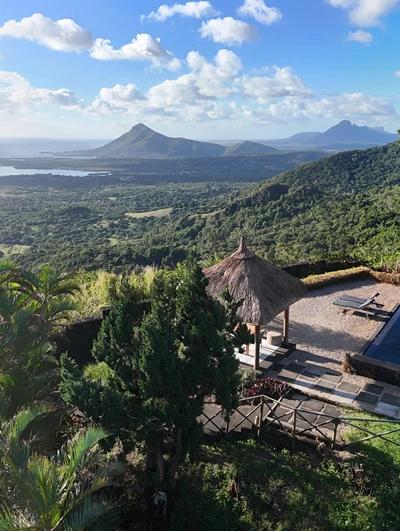
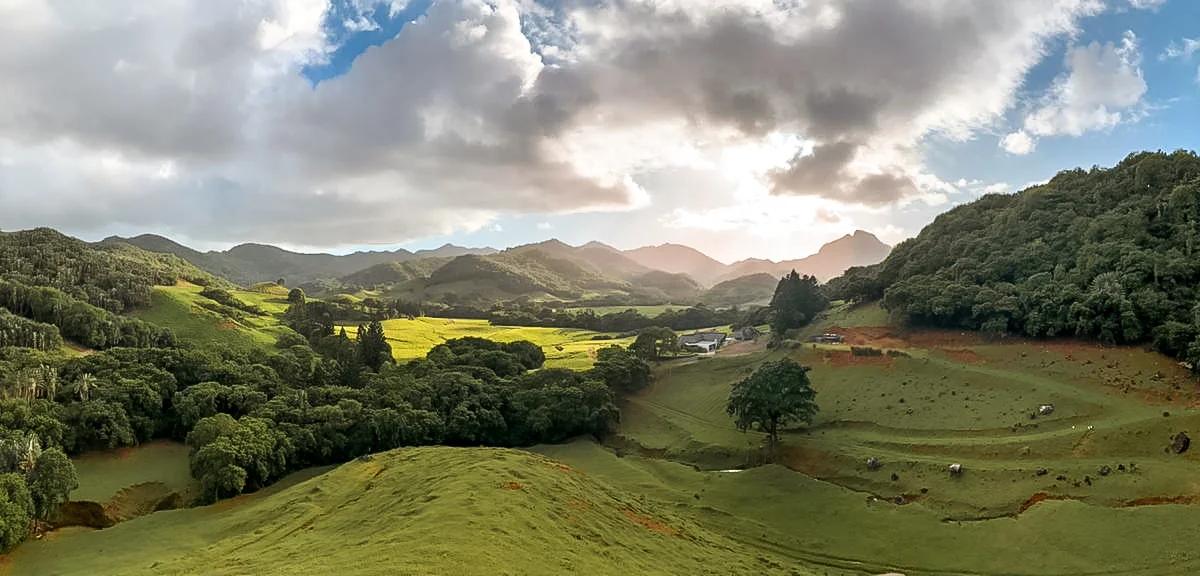
Mauritius is famous for beaches, lagoons and luxury resorts, but the real soul of the island is also found in its forests, mountains, waterfalls, endemic plants, wildlife parks and protected islets. Beyond the turquoise water, Mauritius has one of the most unique natural stories in the Indian Ocean.
As a local guide, this is the side of Mauritius we always encourage travellers to explore. The island is not only a beach destination. It is home to rare birds, ancient ebony forests, giant tortoises, fruit bats, endemic plants, protected offshore islands, dramatic gorges, wild coastlines and conservation projects that are helping restore what Mauritius once lost.
This guide brings together the best nature reserves and parks in Mauritius, including national parks, protected reserves, private eco-parks, family-friendly wildlife attractions and offshore conservation islands.
Mauritius has a very special natural history. Because the island was isolated in the Indian Ocean for millions of years, many plants and animals evolved here and nowhere else. This is why Mauritius has endemic species — wildlife and plants that are unique to the island.
But Mauritius has also lost a lot of its original forest and native wildlife over time. Agriculture, development, invasive species and habitat loss changed much of the island’s original ecosystem. That is why nature reserves and parks are so important today.
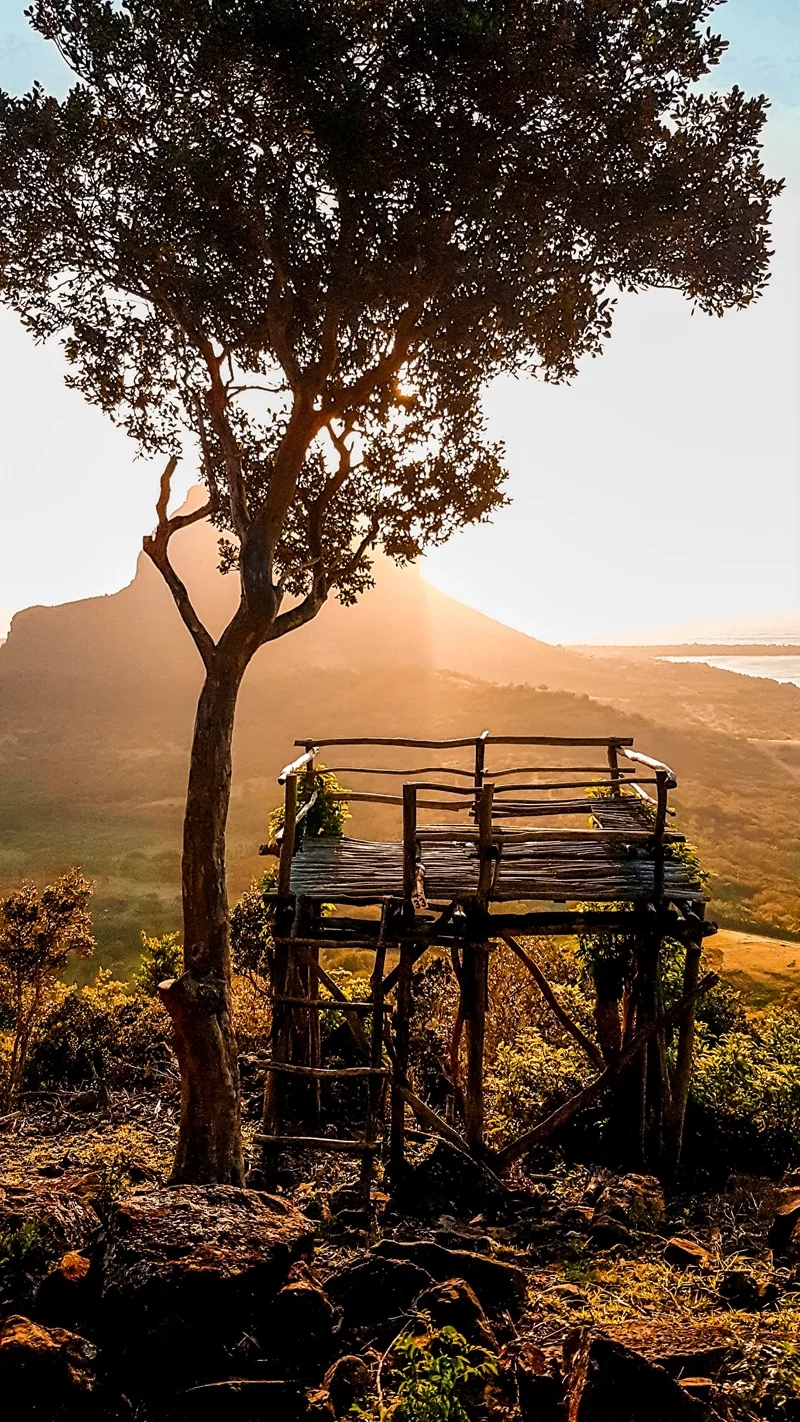
1. Black River Gorges National Park
Best for: hiking, viewpoints, waterfalls, forest, monkeys, native birds
Region: Southwest / Central Highlands
Suggested time: Half day to full day
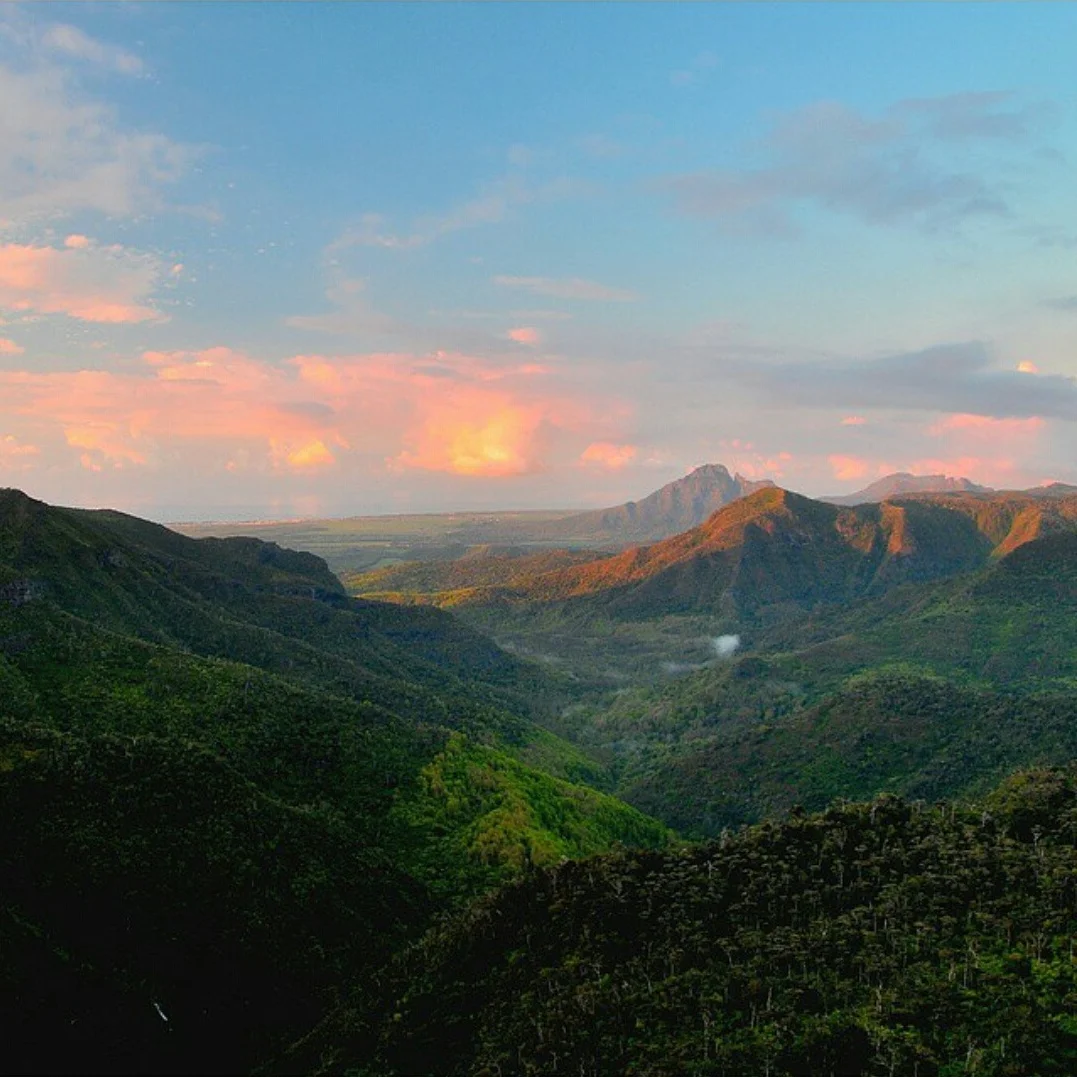
Black River Gorges National Park is the most important national park in Mauritius and one of the best places to experience the island’s wild green interior. It protects a large area of native forest, valleys, rivers, waterfalls and mountain viewpoints.
If you want to see Mauritius beyond the coast, this is one of the first places to visit.
The park is home to rare plants, native birds, forest trails and some of the best viewpoints on the island. Popular stops include Black River Gorges Viewpoint, Alexandra Falls, Plaine Champagne and several hiking trails through the forest.
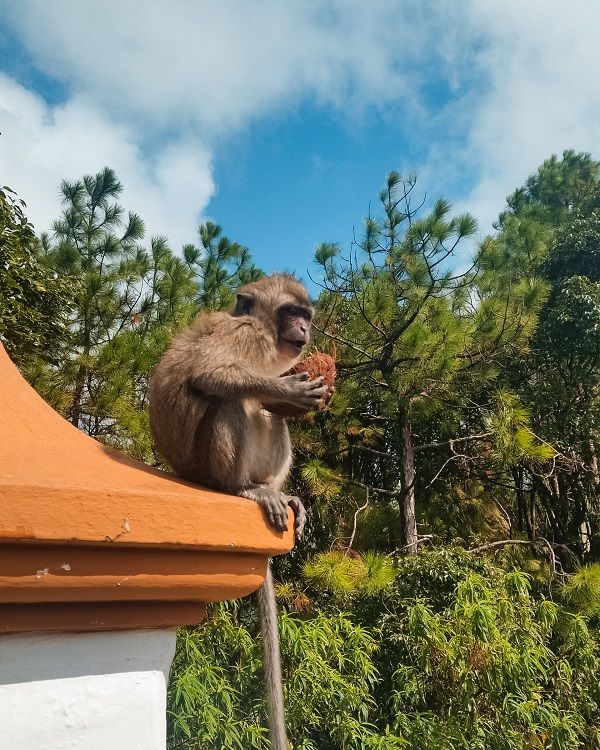
Travellers often spot monkeys near the viewpoints, especially around Black River Gorges Viewpoint and Alexandra Falls. They are interesting to watch, but do not feed them. Keep food hidden and respect wildlife.
2. Bras d’Eau National Park
Best for: quiet forest walks, birds, families, east coast nature
Region: East / Northeast Mauritius
Suggested time: 1–3 hours
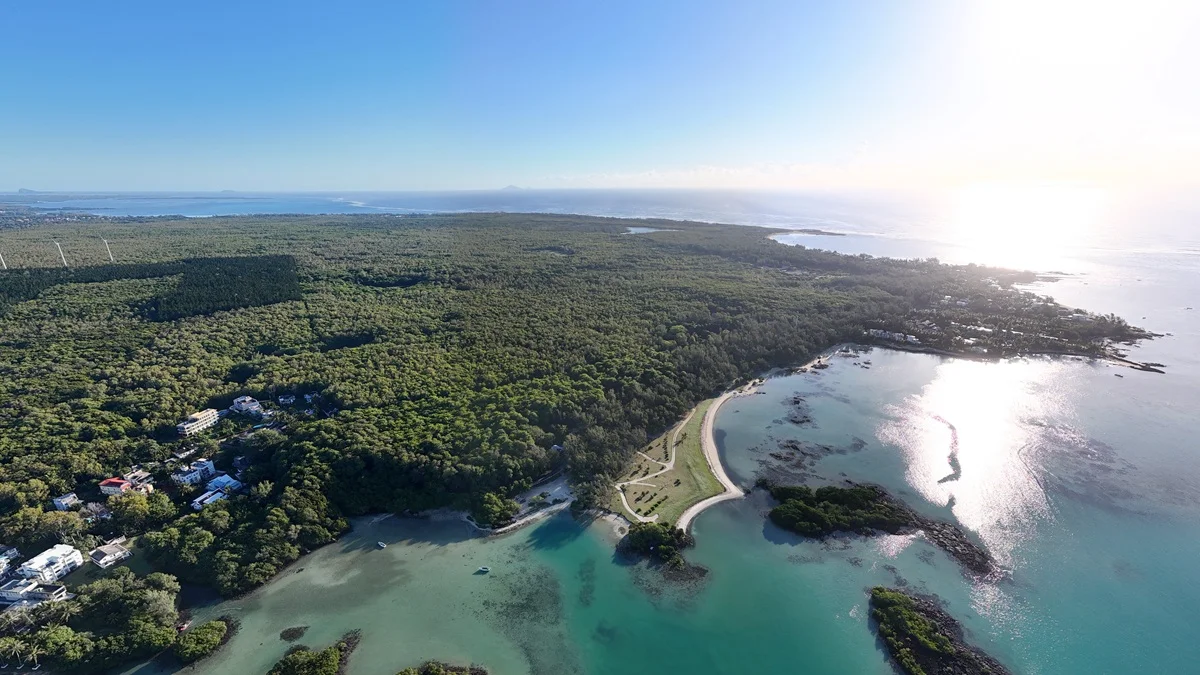
Bras d’Eau National Park is one of the quieter national parks in Mauritius. Located on the east side of the island, it offers a peaceful forest experience away from the busier tourist routes.
This park is ideal if you are staying on the east coast near Belle Mare, Poste Lafayette, Roches Noires or Palmar and want to add a nature stop to your trip.
Bras d’Eau is known for walking trails, forest shade, birdlife and a calm atmosphere. It is not as dramatic as Black River Gorges, but it is easier, quieter and good for travellers who want a gentle nature walk.
3. Île aux Aigrettes Nature Reserve
Best for: conservation, rare wildlife, families, guided eco-tourism
Region: Southeast, near Mahébourg
Suggested time: 1.5–2 hours
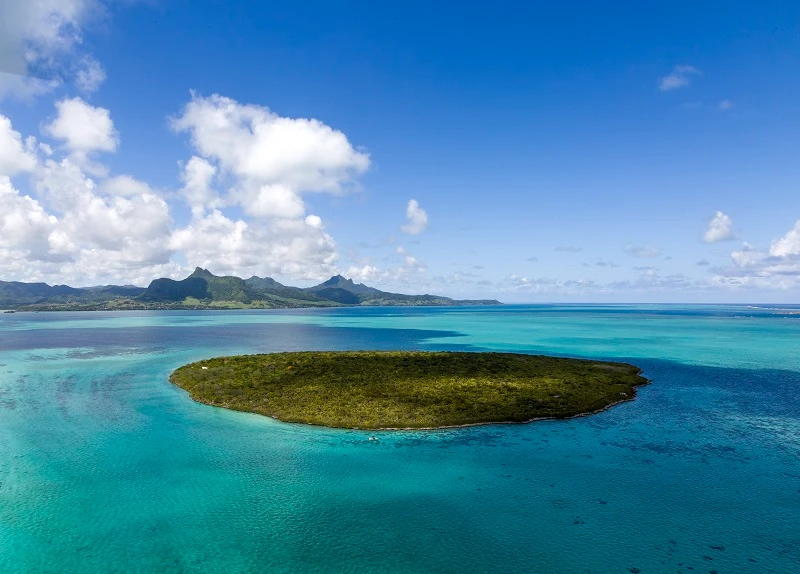
Île aux Aigrettes is one of the most important conservation islands in Mauritius. Located off the southeast coast near Mahébourg, this small island nature reserve protects rare plants and animals and gives visitors a chance to understand the island’s original biodiversity.
Unlike a normal beach island, Île aux Aigrettes is a guided conservation experience. Visitors usually explore the island with a trained guide, learning about native plants, giant tortoises, rare birds and habitat restoration.
This is one of the best nature experiences in Mauritius for families, eco-tourism travellers and anyone who wants to understand what Mauritius looked like before much of its native forest disappeared.
4. Ebony Forest Chamarel
Best for: native forest restoration, viewpoints, eco-tourism, walking
Region: Chamarel / Southwest
Suggested time: 1.5–3 hours
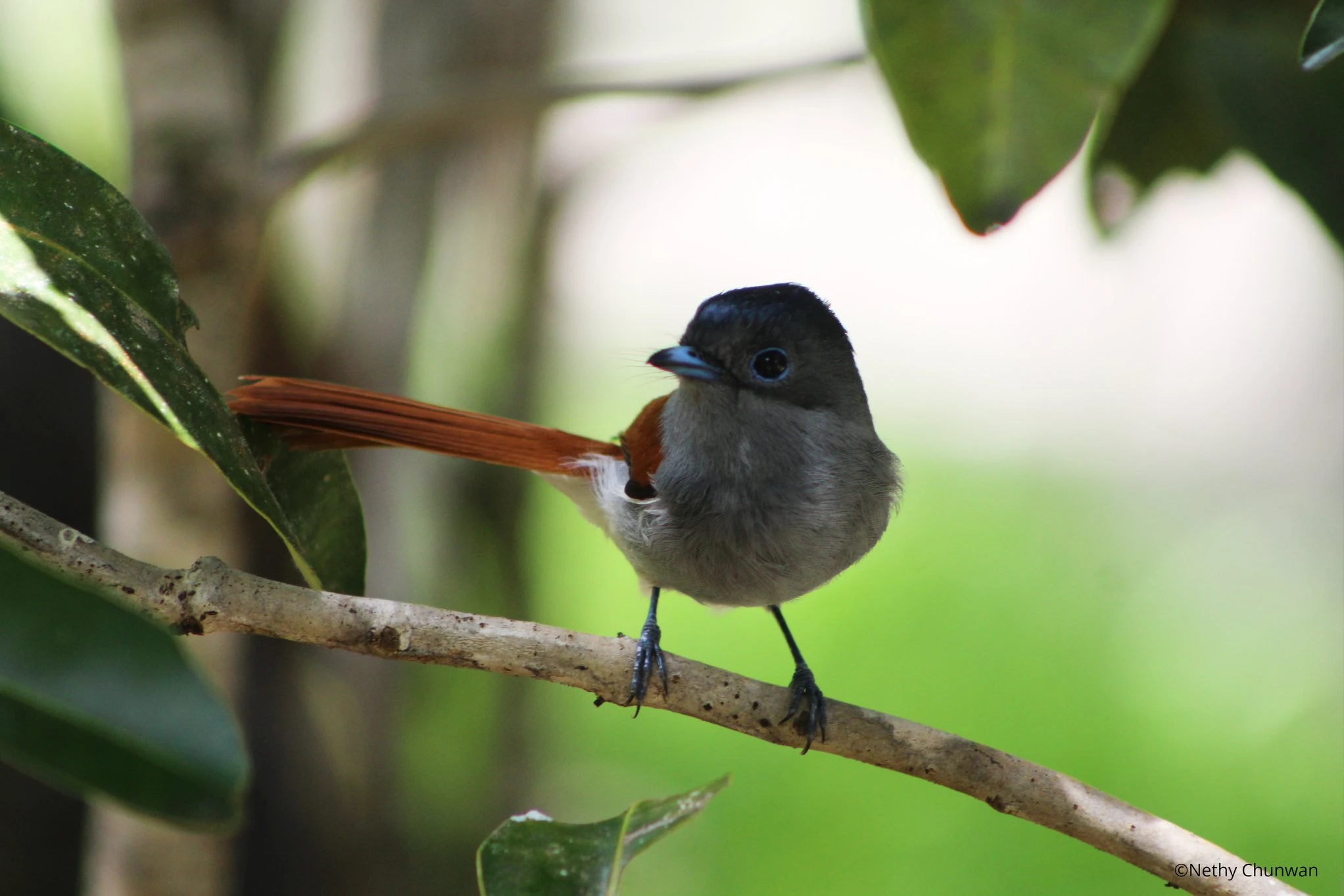
Ebony Forest is one of the best eco-tourism experiences in Mauritius. Located in Chamarel, it focuses on restoring native forest and protecting endemic species.
This is a powerful place to visit because it shows both the damage Mauritius suffered and the hope of restoration. You can walk through forest trails, learn about native plants, see conservation in action and enjoy beautiful views over the southwest.
Ebony Forest is especially good for travellers visiting Chamarel Seven Coloured Earth, Chamarel Waterfall or Le Morne. It adds depth to the usual southwest sightseeing route.
5. La Vanille Nature Park
Best for: families, children, giant tortoises, crocodiles, easy nature day
Region: South Mauritius
Suggested time: 2–3 hours
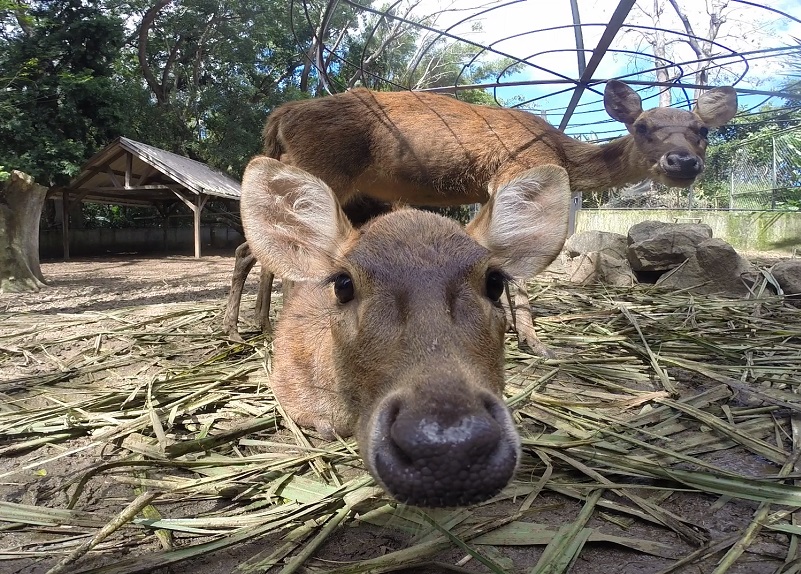
La Vanille Nature Park is one of the best-known wildlife parks in Mauritius, especially for families. It is located in the south and is famous for giant tortoises, crocodiles, tropical vegetation and easy walking paths.
For children, this is one of the most enjoyable nature attractions on the island. It is visual, accessible and does not require hiking. Families can combine it with a south coast road trip to Gris Gris, La Roche Qui Pleure, Rochester Falls or St Félix.
La Vanille is not a wild forest reserve in the same way as Black River Gorges, but it plays an important role in family-friendly wildlife education and local tourism.
6. Vallée de Ferney
Best for: hiking, endemic forest, birdwatching, southeast nature
Region: Southeast Mauritius
Suggested time: Half day
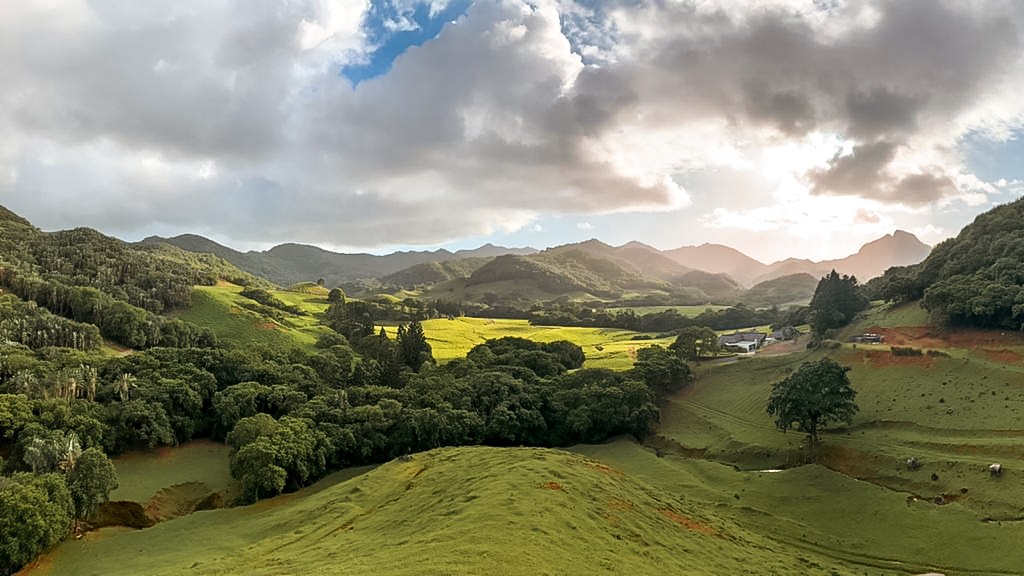
Vallée de Ferney is one of the most beautiful conservation areas in the southeast of Mauritius. It protects important native forest and is known for hiking, endemic plants and birdlife.
This is a good choice for travellers who want a more active nature experience but prefer something less busy than the main tourist attractions. The valley has a peaceful atmosphere and offers a good mix of conservation and outdoor adventure.
It is also well placed for travellers staying near Mahébourg, Blue Bay or the southeast coast.
7. Casela Nature Parks
Best for: family activities, adventure, animal encounters, west coast day trip
Region: West Mauritius
Suggested time: Half day to full day
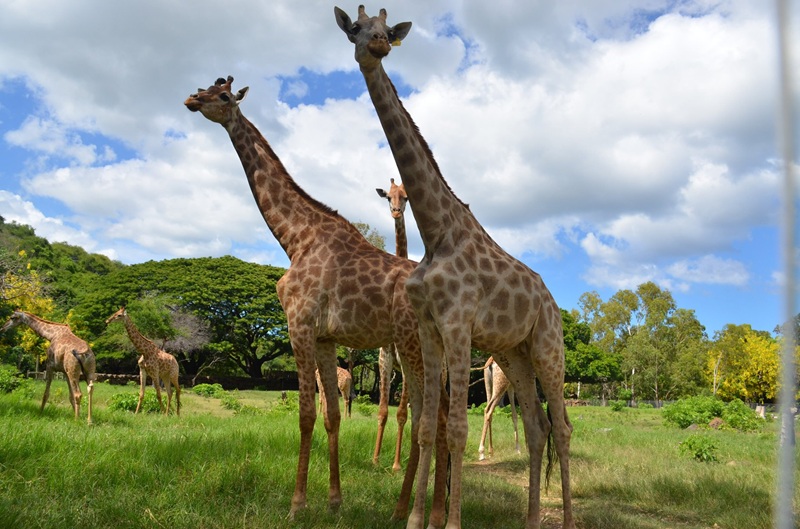
Casela is one of the most popular parks in Mauritius for families and adventure travellers. It offers a mix of animal encounters, outdoor activities, viewpoints and family-friendly attractions.
Located near the west coast, Casela is easy to combine with Flic en Flac, Tamarin, Black River or a west coast itinerary. It is especially popular with families staying in Flic en Flac or the surrounding area.
While it is more of an adventure and wildlife park than a pure nature reserve, Casela is a major part of Mauritius’ family tourism landscape.
8. Pamplemousses Botanical Garden
Best for: gardens, history, families, relaxed walking
Region: North Mauritius
Suggested time: 1–2 hours
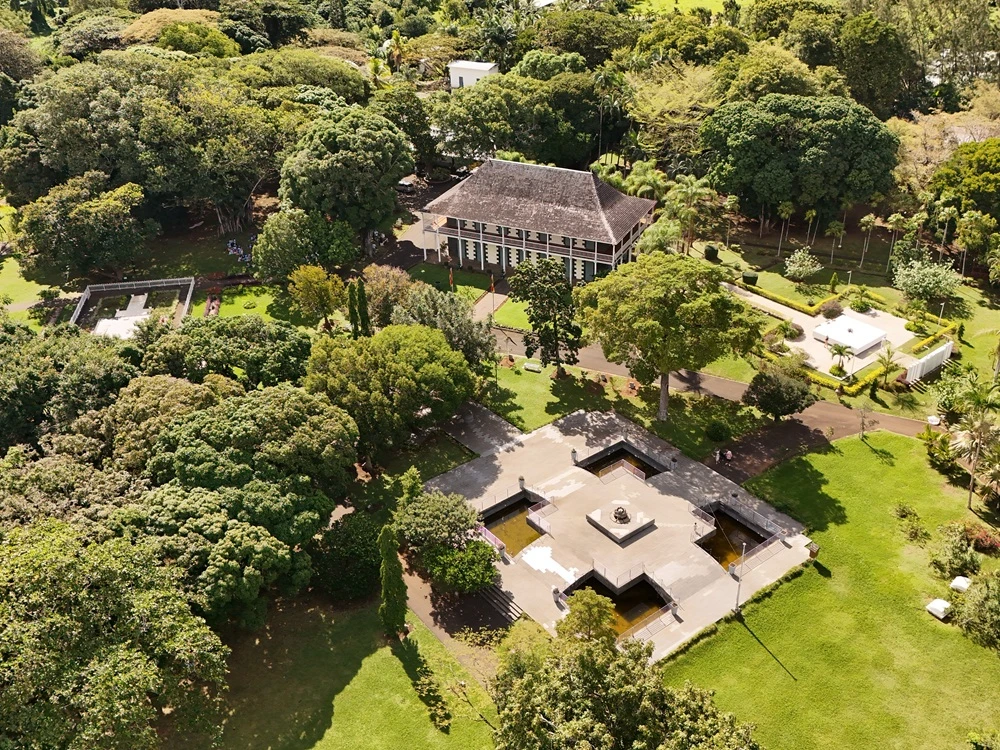
The Sir Seewoosagur Ramgoolam Botanical Garden, commonly known as Pamplemousses Botanical Garden, is one of the most famous garden attractions in Mauritius.
It is not a wild nature reserve, but it is an important green space and one of the most accessible places to enjoy tropical plants, giant water lilies, palm avenues and shaded paths.
This is a good stop for families, older travellers and anyone exploring the north. It combines well with Grand Baie, Mont Choisy, Cap Malheureux and Port Louis.
9. Petrin Nature Reserve
Best for: native forest, hiking, endemic plants, birdwatching, cooler highland scenery
Region: Central Highlands / Black River Gorges area
Suggested time: 1–3 hours
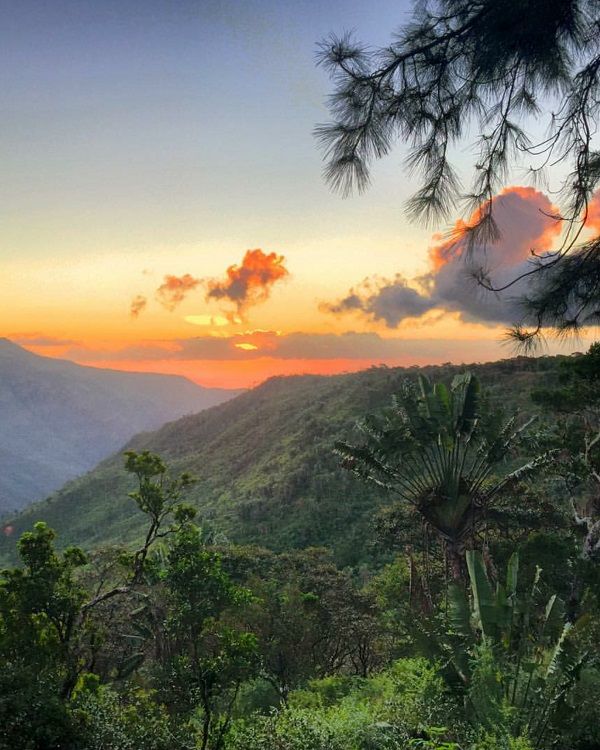
Pétrin Nature Reserve is one of the most important native forest areas in the central highlands of Mauritius. Located near the entrance to Black River Gorges National Park, Pétrin is a good starting point for travellers who want to experience the island’s quieter forest trails, endemic plants and cooler mountain atmosphere.
This area feels very different from the beaches and lagoons Mauritius is famous for. The air is cooler, the vegetation is denser, and the landscape has a wilder, more untouched feeling. Pétrin is especially interesting for visitors who enjoy nature walks, birdwatching and learning about the island’s original forest ecosystem.
It is also a good place to understand why conservation matters in Mauritius. Much of the island’s native forest has disappeared over time, and areas like Pétrin protect some of the remaining highland vegetation. For nature lovers, this is one of the best places to slow down and see a more authentic, less commercial side of Mauritius.
10. Blue Bay Marine Park
Best for: snorkelling, coral, glass-bottom boat, families
Region: Southeast Mauritius
Suggested time: Half day
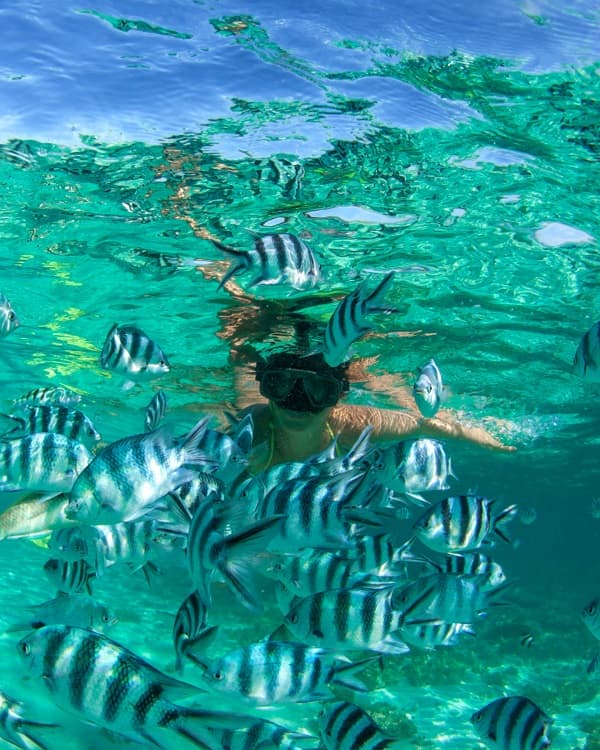
Blue Bay Marine Park is one of the best-known marine nature areas in Mauritius. Located in the southeast, it is famous for clear water, coral formations, colourful fish and glass-bottom boat tours.
This is one of the easiest marine experiences for families because you can enjoy the lagoon even if you are not a confident swimmer. Visitors can take a glass-bottom boat, snorkel with a guide or simply enjoy the beach.
Blue Bay is a reminder that Mauritius nature is not only forest and mountains. The lagoon is also a living ecosystem.
11. Île d’Ambre and Ilot Bernache Area
Best for: mangroves, kayaking, catamaran cruises, quiet lagoon nature
Region: Northeast Mauritius
Suggested time: Half day to full day
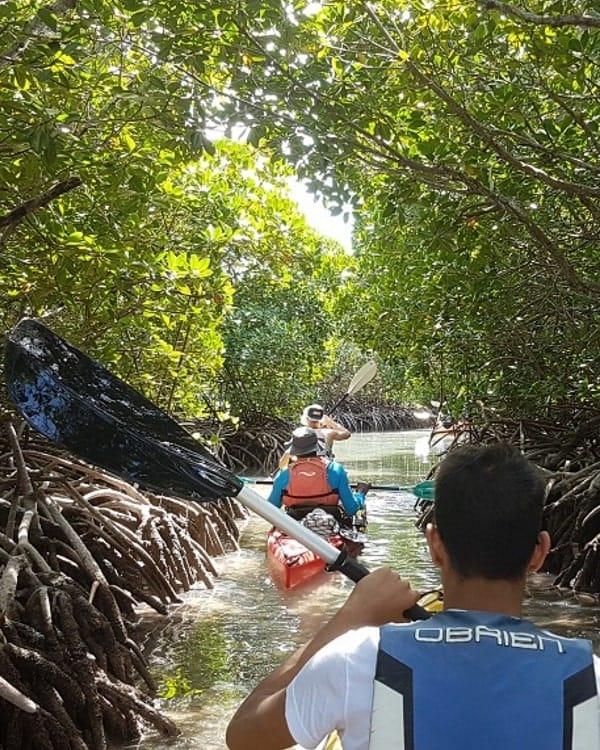
The northeast lagoon around Île d’Ambre and Îlot Bernache is one of the quieter nature-rich regions of Mauritius. It is known for mangroves, calm lagoon scenery, small islands and a peaceful atmosphere.
This area is ideal for kayaking, catamaran trips and relaxed nature-focused lagoon experiences. It feels very different from the busier catamaran routes to Île aux Cerfs or the northern islands.
For travellers who enjoy softer, quieter nature, this part of Mauritius is worth exploring.
12. Le Morne Brabant and the Southwest Landscape
Best for: mountain scenery, hiking, heritage, viewpoints
Region: Southwest Mauritius
Suggested time: Half day to full day
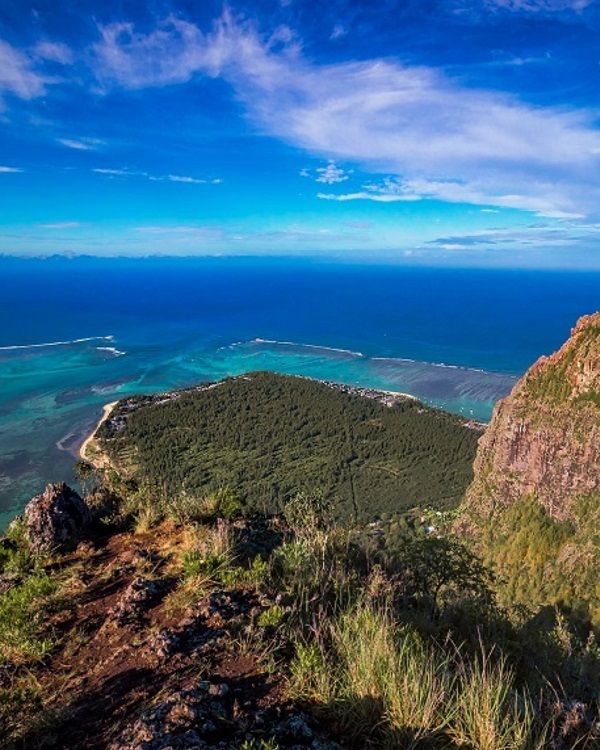
Le Morne Brabant is not only a beautiful mountain. It is one of the most meaningful landscapes in Mauritius. The mountain is strongly connected to the island’s history and identity, and the surrounding lagoon and coastal scenery make it one of the most iconic places in the country.
For nature lovers, Le Morne offers a mix of mountain, lagoon, reef, beach and coastal views. The hike is best done with a guide, especially for visitors unfamiliar with the trail.
Le Morne combines perfectly with Chamarel, Black River Gorges, La Prairie and Macondé.
Best Nature Reserves and Parks by Travel Style
Best for Families
La Vanille Nature Park
Casela Nature Parks
Pamplemousses Botanical Garden
Blue Bay Marine Park
Île aux Aigrettes
Internal link: Mauritius for Families and Kids
Best for Hiking
Black River Gorges National Park
Ebony Forest
Vallée de Ferney
Le Morne Brabant
Piton de la Petite Rivière Noire
Internal link: Best Hikes in Mauritius
Best for Wildlife and Conservation
Île aux Aigrettes
Round Island Nature Reserve
Vallée de Ferney
Internal link: Eco Tourism in Mauritius
Best for Snorkelling and Marine Nature
Île d’Ambre and Ilot Bernache
Le Morne Lagoon
Île aux Cerfs lagoon
Coin de Mire area
Internal link: Best Snorkelling in Mauritius
Best for Scenic Road Trips
Bras d’Eau and east coast
If you want to understand Mauritius properly, spend at least one or two days away from the beach. Visit the forests, waterfalls, conservation islands, gardens and wild coastlines. This is where you see the deeper story of the island.
Mauritius is not only turquoise water and resorts. It is ebony trees, rare birds, giant tortoises, volcanic valleys, sacred lakes, coral lagoons, mangroves, monkeys in the highlands and protected islands where some of the world’s rarest reptiles still survive.
The beaches show you the beauty of Mauritius. The nature reserves and parks show you its heart.